Who Really Killed First Brands? Part 2: A Case Built on Cooperators
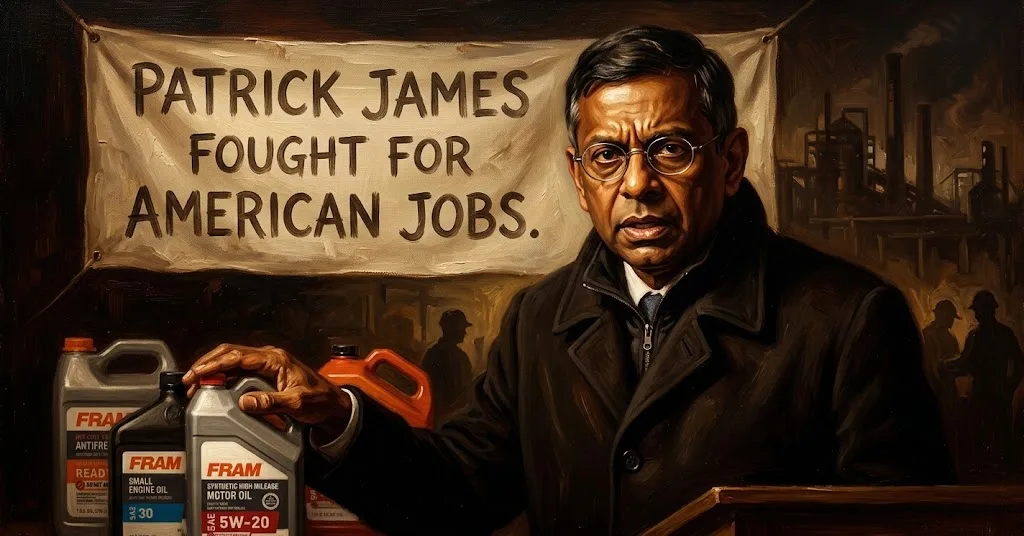
Part 1 introduced First Brands and the man who built it. It followed the company from three decades of growth to bankruptcy in September 2025 and Patrick James's federal indictment in Manhattan four months later.
The Government's Case
According to prosecutors in the Southern District of New York, First Brands failed because Patrick James obtained billions of dollars in loans through deception during an alleged eight-year scheme running from 2018 to 2025.
If the indictment is correct, First Brands was destroyed from within long before it entered bankruptcy court.
The charges allege that he was the "financial kingpin" who organized a financial-crimes enterprise within his company.
The indictment alleges James was behind the issuance of fake invoices, the double-pledging of collateral, the concealment of debt, and the securing of billions in financing through misrepresentations.
The same collateral was allegedly pledged more than once.
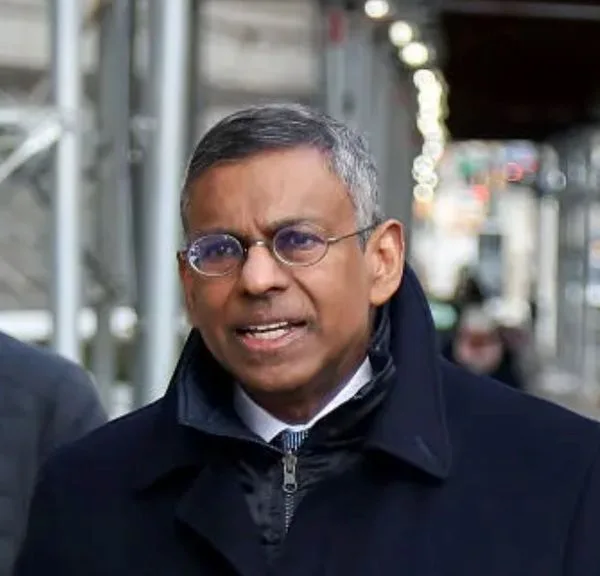
Patrick James (above)
A Sophisticated Arrangement
The financing was complex — asset-based lending, term loans, two simultaneous factoring programs, and a network of inventory and finance special-purpose vehicles.
This was the kind of layered private credit arrangement that sophisticated Wall Street lenders specialize in, with premium rates paid for premium risk.
Lenders accepted those risks because they were compensated through higher interest rates, fees, and other forms of return.
Nobody involved believed this was risk-free money.
The question facing the criminal court is narrower and more consequential.
Did certain transactions cross the legal line from aggressive financing into fraud?
That is the issue the jury will be asked to decide.
The Other Side
What the government has alleged as fraud appears to have resulted from a yearlong attack on the company by a giant Wall Street firm, which caused it to run out of cash.
As the pressure intensified, cash became harder to find. Executives scrambled to keep the company operating.
Evidently, two senior First Brands financial executives — Stephen Graham, the former Chief Financial Officer, and Peter Andrew Brumbergs, the former Vice President of Finance — admitted to participating in fraudulent borrowing practices.
They have entered into cooperation agreements and agreed to testify against Patrick James.
For prosecutors, cooperators like these are often the foundation of a complex financial-fraud case.
The prosecution will almost certainly present Graham and Brumbergs as insiders finally telling the truth.
The defense will present them as men trying to save themselves.
The Emails
It is important to note that the two cooperators wrote incriminating emails that the government cites as evidence of fraudulent activity within the company.
The same men who stand to benefit from cooperation are the authors of the communications the prosecution relies on.
Patrick James wrote no suspicious emails.
The government's case depends heavily on persuading jurors that James was directing conduct that others discussed, documented, and carried out.
What the Judge Saw
Judge Christopher Lopez observed of James from the bench in the bankruptcy proceeding in November 2025, "There's nothing I saw where he's personally directing anyone to do anything."
The remark was not a finding in the criminal case. It reflected the judge's impression after reviewing the record: he had not seen any evidence that James personally instructed subordinates to engage in misconduct.
For a prosecution built around the idea of a "financial kingpin," that absence is not insignificant.
The Cooperators
This may be a case in which criminals become cooperators and spare themselves punishment by blaming their innocent boss. The American criminal justice system relies heavily on such cooperators.
The arrangement is simple. A participant in alleged wrongdoing may receive a reduced sentence in exchange for testifying against another person.
Sometimes the testimony is true. Sometimes it is incomplete.
And sometimes it becomes a story shaped by an incentive to provide the version of events most useful to the prosecution.
Sometimes he learns very quickly which story opens the door to leniency and which story leaves him standing alone at sentencing.
In this case, two executives admitted wrongdoing. Federal prosecutors offer cooperation agreements. The executives agree to testify against the person at the top.
Another Explanation
The story is incomplete without a discussion of what caused the financial peril in the first place.
The government's case rests on the theory that Patrick James caused First Brands' failure through years of accumulated deception.
There is another explanation.
A Manhattan investment firm called Apollo Global Management spent a year setting up to profit from First Brands' destruction — and working to ensure the destruction happened.
Part 3 of this series examines who Apollo is and what Apollo did.

Apollo led the way...


Who is under Brumbergs on that company?
The factoring, the loans, the off the record adjustments, why is BDO not involved ?