The OneTaste Precedent Applies to You
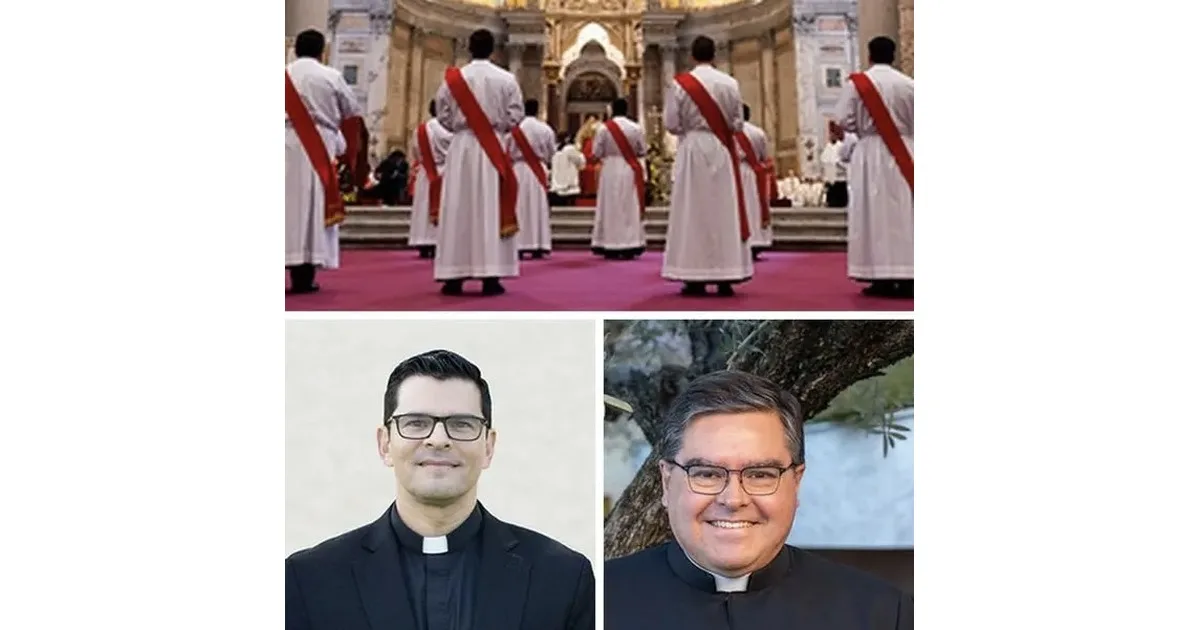
It was a mind control forced labor case!
Nicole Daedone and Rachel Cherwitz were convicted under a theory of forced labor that required no force, restraint, or demand for labor.

The case converted the voluntary conduct of nine white, college-educated women to coercion a decade after the fact, based on being brainwashed.
The government's theory of "fear" inverts the statute under which it is charged. Forced labor requires fear of being made to stay. The fear the government documents — fear of being asked to leave, of losing housing, of social shunning — is fear of not being made to stay.
A person afraid of exclusion is, by definition, not being held.
The logic was on display in the prosecution's closing.
A government witness, Michal Neria, had testified that the defendants believed themselves to be witches. On cross-examination, she affirmed this — "a hundred percent, I don't think it, I know it."

The defense argued in closing that the testimony was absurd.
AUSA Kayla Bensing told the jury that the witness's absurd belief was evidence of the defendants' guilt: "the defendants made her believe that. They targeted somebody who would believe that."
Absurd testimony establishes the crime more powerfully because the absurdity proves how the defendants induced it.
Nine witnesses testified to non-physical coercion - mental coercion, brainwashing, mind control, witchcraft and fear of being shunned if they left.
Thousands of people took courses, attended workshops, and engaged with the organization. The overwhelming majority never reported harm.
Many described the practice as beneficial. The judge’s sentencing math treated every participant as a presumptive victim.
The Theory the Government Tried
The OneTaste prosecution was a forced-labor case in name. In practice, it was a prosecution of ideology — not what the defendants did, but what they taught.
The government's theory was stated by AUSA Kaitlin Farrell at trial: the defendants "put some of the testifying witnesses in psychological distress and also taught them concepts that taught them basically to consent to everything."
The teaching was the crime.
Government witnesses described the defendants' teachings as "brainwashing."
The prosecution treated spiritual practices as evidence of coercion. A jury was asked whether teaching that intentional sexual practice could lead to enlightenment was religion or crime.
Once that question can be put to a jury, the answer depends on which jury and which prosecutor — not on what happened.
Retroactive regret became the trigger. Nine witnesses out of a participant pool of more than 35,000 testified, years later, that they regretted what they had agreed to at the time.
Regret became the basis for a federal conspiracy conviction. The legal status of the conduct depended on what some participants felt later, not what occurred when it occurred.
Consent at the time no longer protects the act. The Biden administration's National Action Plan to Combat Human Trafficking states the principle: prior consent does not preclude victim status. Agreements signed, courses taken, and affirmative statements made are irrelevant under the doctrine that produced this conviction.
Under the doctrine, adult women are incapable of giving binding consent.
AUSA Kaitlin Farrell told the jury, "they were grown women, these were adults. And they were educated, they were smart… that just shows how powerful the coercion was."
Education and articulateness become evidence of coercion. A doctrine that treats adult women as incompetents has been written into federal law.
What the prosecution offered is a theory in which the defense becomes proof of the offense. Saying yes does not count.
Denying coercion is discounted.
Staying is treated as evidence of inability to leave.
Speaking clearly is shaping. The absence of force is not a defense. There is no answer the doctrine accepts, because the doctrine was not built to be answered.
How the Prosecution Worked
In the OneTaste case, nine government witnesses — out of 35,000 over the relevant period — testified that they had experimented with sex they had consented to in a way they later felt guilty about.
They had signed agreements. They had taken courses in consent. OneTaste taught that women could consent.
The prosecution turned that into a federal forced-labor conspiracy under 18 U.S.C. § 1594.
The government's theory, stated in court by AUSA Farrell, was that the defendants "put some of the testifying witnesses, our victims, in psychological distress and also taught them concepts that taught them basically to consent to everything and to be willing to engage in certain sexual activities that even at the time they would have viewed as something they wouldn't consent to, but they did so because they were taught this was a philosophy or a religious practice that was good for them."
The structural feature of that theory is the conversion of religious or philosophical teaching into the actus reus of forced labor conspiracy. The instruction becomes the coercion.
The participant's adoption of the teaching becomes the result.
AUSA Bensing put the harm element on the record in rebuttal closing on June 5, 2025: "It's not about whether these victims actually suffered serious harm and whether they actually caused them to work. That is absolutely not the question of this trial."
The prosecution's theory entered through use of "brainwashing" by witnesses. Rebecca Halpern testified that she "had been, you know, carefully, gently brainwashed over time." Christina Berkely was asked what the trauma was; her answer was "the brainwashing."
On June 9, 2025, after a five-week trial, the jury returned guilty verdicts. Daedone was sentenced to nine years. Cherwitz to 6,5 years.
Religious organizations are the priority
The target was an organization few Americans have heard of. The precedent would pave the way for many religions and communities that have a shared belief system. Evangelical ministries, Catholic dioceses, Hasidic communities, Muslim institutions. Once prosecutors are permitted to criminalize the formation of belief, no faith tradition is secure.
The mechanics of how it gets applied are not hard to imagine, because the OneTaste indictment already wrote the template. Against any traditional church, the same playbook fits without modification. Evangelization becomes recruitment. Labor performed through ministries becomes extracted labor. Calling congregants to repentance becomes psychological control. Excommunication becomes the final stage of a coercive campaign of shame and isolation. The same vocabulary applies to a synagogue, a mosque, an ashram, a meditation center, or a recovery community. There is no theological line the OneTaste precedent respects, because the precedent is not theological. It is a theory about how belief itself is formed, and once it is the law, every institution that forms belief is exposed.
Where the Theory Will Be Applied Next
The features that defined the OneTaste prosecution — mission-driven labor, communal economics, practices justified by ideology, discomfort for leaving — describe religious and high-commitment community life in America.
The EDNY charged Daedone and Cherwitz: a senior figure who sets ideology and direction, and a senior figure who carries it out operationally.
The precedent that convicted Daedone and Cherwitz does not stop at OneTaste.
1. Amway. Steve Van Andel (co-chair). Doug DeVos (co-chair). One of the largest multi-level marketing companies in the world, family-controlled, with millions of independent business owners globally. Distributors invest capital in inventory and training, surrender business decisions to upline mentorship structures, attend ideologically intense conferences framing the work as a calling, and face substantial social and financial dislocation upon departure. https://www.amway.com
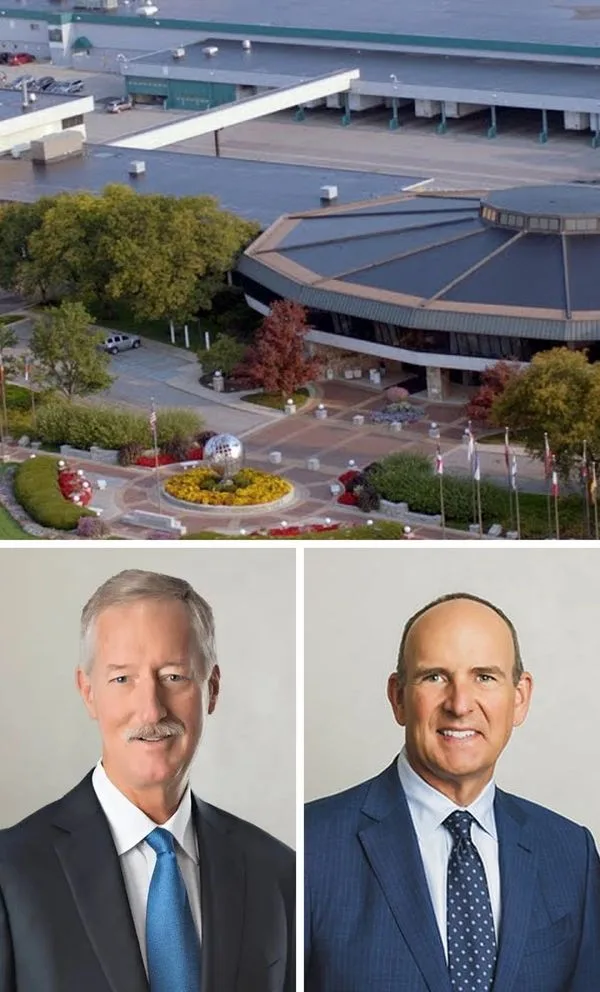 Amway: Steve Van Andel, co-chair of Amway, and Doug DeVos, co-chair of Amway, with Amway North American Headquarters.
2. Belz Hasidic Dynasty. Yissachar Dov Rokeach (Grand Rebbe, since 1966). Aharon Mordechai Rokeach (heir apparent). One of the largest Hasidic communities in the United States, with major congregations in Borough Park and Monsey. Members follow Rebbe-issued directives on marriage, employment, residence, dress, and permitted social associations, understood by followers as religious obligation rather than personal choice. Departure from the community carries severe social and economic consequences, including loss of family relationships, employment networks, and communal standing. https://worldofbelz.org
 Belz: Yissachar Dov Rokeach, Belzer Rebbe, and Aharon Mordechai Rokeach, Rosh Yeshiva and heir apparent, with Belz Great Synagogue.
3. Bobov. Ben Zion Aryeh Leibish Halberstam (Fifth Bobover Rebbe, since 2005). Mordechai Dovid Unger (First Rebbe of Bobov-45, an independent dynasty following a 2007 split). Hasidic communities centered in Borough Park, Brooklyn, with substantial educational and communal infrastructure. Full-time religious study, arranged marriages, batei din, restricted secular education, and shunning of departures.
 Bobov: Ben Zion Aryeh Leibish Halberstam, Fifth Bobover Rebbe, and Mordechai Dovid Unger, Rebbe of Bobov-45, with Bobov-45 Shul.
4. Bruderhof. Johann Christoph Arnold (Elder, 1983–2001; Senior Elder until his death in April 2017; no named successor currently identified in public sources). Anabaptist Christian intentional-community movement with roughly 3,000 members across communities in New York, Pennsylvania, and elsewhere. Members surrender all personal property to the community, live in communal houses under assigned work and family arrangements. https://www.bruderhof.com
 Bruderhof: Paul Winter, elder of the Bruderhof Communities, and Heinrich Arnold, Senior Pastor, with Woodcrest Bruderhof in Rifton, New York.
5. Catholic Religious Order with substantial U.S. operations including seminaries and schools. Members take vows of poverty, chastity, and obedience; surrender personal income to the institute; observe lifelong celibacy; and live under daily plans of life set by superiors.
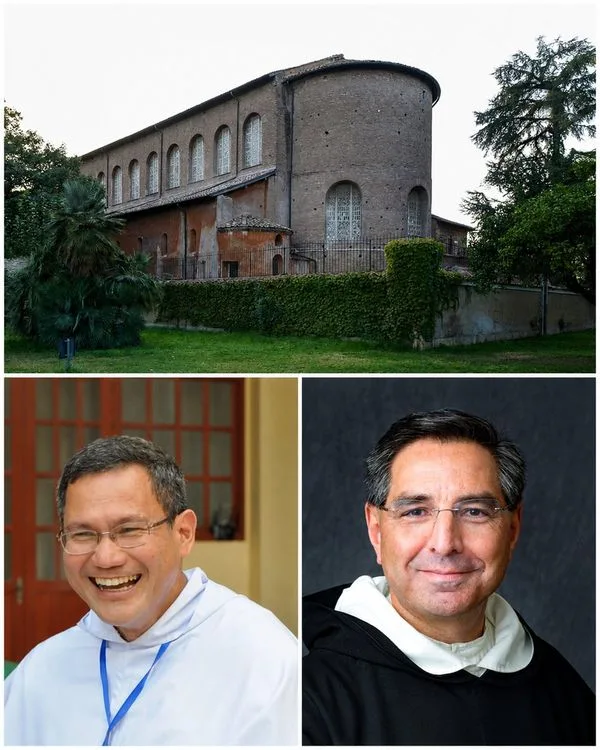 Dominicans: Gerard Francisco Timoner III, OP, Master of the Order of Preachers, and Fr. Mark Padrez, OP, Vicar of the Master of the Order, with the Basilica of Santa Sabina in Rome.
6. Catholic Worker Movement. Decentralized network of approximately 200 houses of hospitality across the United States and internationally, founded in 1933 by Dorothy Day. Live-in volunteers ("Catholic Workers") surrender personal income; observe communal life under the direction of senior community members; and frame the work as a religious vocation. https://www.catholicworker.org
7. Carthusians. Catholic contemplative order with one U.S. charterhouse, the Charterhouse of the Transfiguration in Vermont. Monks live in individual cells in near-total silence and solitude, observe extreme fasting cycles, surrender all property, and perform manual labor in support of the community. https://www.charterhouse.org
8. Chabad-Lubavitch. Yehuda Krinsky (Chairman, Merkos L'Inyonei Chinuch and Machne Israel). Avraham Shemtov (Chairman, Agudas Chasidei Chabad). Hasidic movement governed since the 1994 death of the Rebbe by these legal and operational entities, with over 6,000 shluchim couples deployed indefinitely to Chabad Houses worldwide on minimal stipends. Shluchim raise their own support, are assigned by the movement, and observe lifelong commitments framed as the Rebbe's mission. https://www.chabad.org
9. Cru (formerly Campus Crusade for Christ). Evangelical campus-ministry organization with over 4,000 U.S. staff, all of whom are required to raise their own financial support — a system that places staff in continuous fundraising labor while receiving compensation below market for credentialed equivalents. Staff observe the organization's statement of faith and lifestyle expectations as conditions of employment. https://www.cru.org
10. Eastern Orthodox monasticism (Ephraimite lineage). Elder Paisios (Abbot, St. Anthony's Greek Orthodox Monastery, Florence, AZ). Network of seventeen Greek Orthodox monasteries in the United States founded under Elder Ephraim. Monastics observe lifelong vows of poverty, chastity, and obedience; surrender personal property; rise for night vigils and observe extreme fasting cycles; confess thoughts (logismoi) to the abbot under traditional Athonite practice; and accept total obedience to the geronda in matters spiritual and material. https://stanthonysmonastery.org
11. Ger. Yaakov Aryeh Alter (Gerrer Rebbe, since 1996). Shaul Alter (founder and leader of Kehilas Pnei Menachem, a breakaway community formed in 2019). One of the largest Hasidic dynasties globally, with substantial U.S. presence. Well-documented internal regulations governing marital relations and family life.
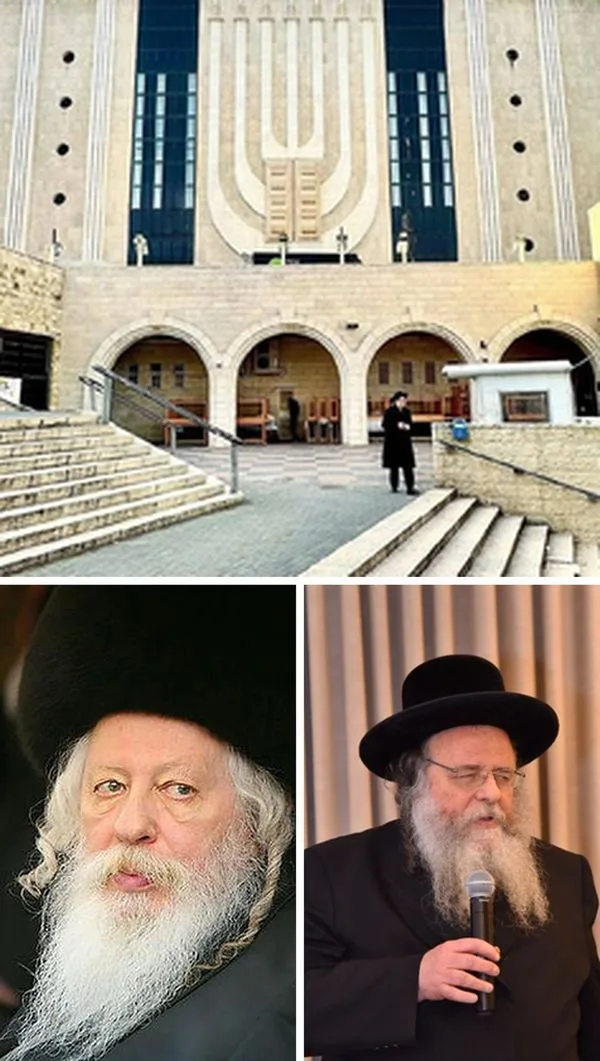 Ger Hasidic dynasty: Rabbi Yaakov Aryeh Alter, Gerrer Rebbe, and Rabbi Shaul Alter, leader of Kehilas Pnei Menachem, with the Great Beth Midrash Gur in Jerusalem, Israel.
12. Habitat for Humanity (and similar long-term volunteer programs like AmeriCorps NCCC and the Peace Corps). Volunteers in extended residential programs perform full-time labor for stipends substantially below market, accept assignment by the organization, observe community-life rules, and face career and financial consequences for early departure. https://www.habitat.org
13. The Peace Corps - places American adults in foreign countries for two-year commitments under conditions that include site assignment, full dependence on the agency for housing and healthcare, and sub-market stipends. https://www.peacecorps.gov
14. Hutterites. Anabaptist communal-living movement with approximately 130 colonies in Montana, the Dakotas, Minnesota, and Washington, with over 400 more in Canada (over 540 total). Members own no personal property; all assets are held by the colony; members are assigned work by colony leadership; marriages are arranged within and between colonies; and departure leaves a member with nothing after a lifetime of labor. https://www.hutterites.org
15. Iglesia ni Cristo. Eduardo V. Manalo (Executive Minister, since 2009). Filipino Christian denomination with roughly 3 million members worldwide and a substantial U.S. footprint. The church practices required tithing, mandatory bloc voting in elections, expulsion of dissenters with full social shunning, and extensive volunteer labor in church construction and maintenance projects. https://www.iglesianicristousa.org
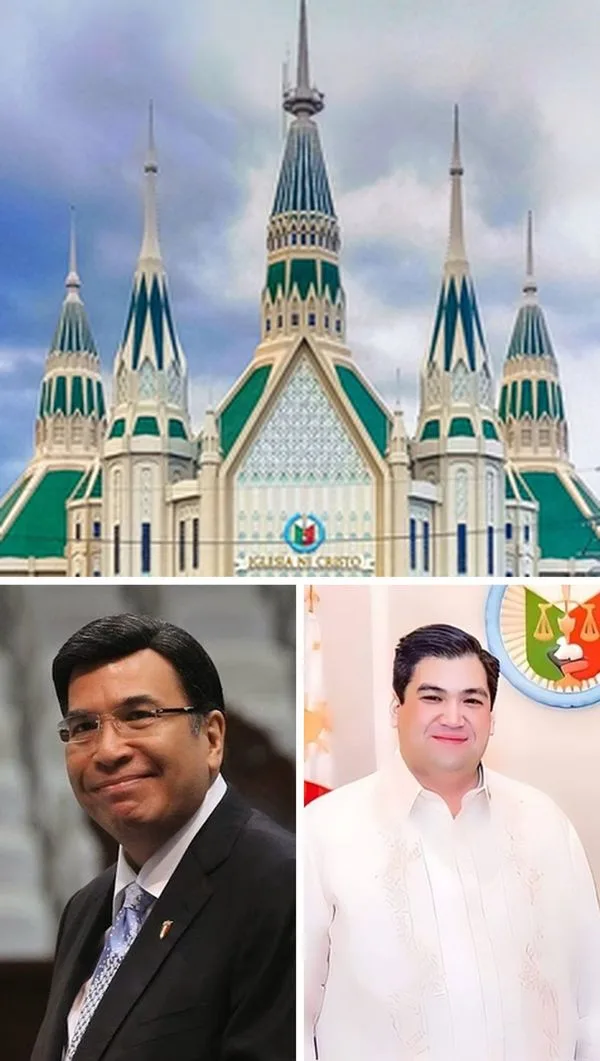 Iglesia ni Cristo: Eduardo V. Manalo, Executive Minister of Iglesia ni Cristo, and Angelo Eraño V. Manalo, Deputy Executive Minister of Iglesia ni Cristo, with the Iglesia ni Cristo Central Temple in Quezon City, Philippines.
16. InterVarsity Christian Fellowship. https://intervarsity.org
17. ISTA (International School of Temple Arts). Baba Dez Nichols (co-founder, lead facilitator). Ohad Ezrahi (lead facilitator). https://www.ista.love
 ISTA: Baba Dez Nichols, co-founder and lead facilitator of ISTA, and Ohad Ezrahi, co-founder and lead facilitator of ISTA, with Highden Temple in New Zealand
18. Jehovah's Witnesses. Governing Body of Jehovah's Witnesses, Watchtower Bible and Tract Society. Roughly 8.5 million Witnesses worldwide and 1.2 million in the United States. Disfellowshipping is enforced with mandated shunning by family members, including parents of adult children. Door-to-door field service is reported in tracked hours. Bethel volunteers perform full-time labor for stipends below the federal minimum wage. Elders' judicial committees address sexual and doctrinal matters in closed proceedings. Higher education and military service are discouraged. https://www.jw.org
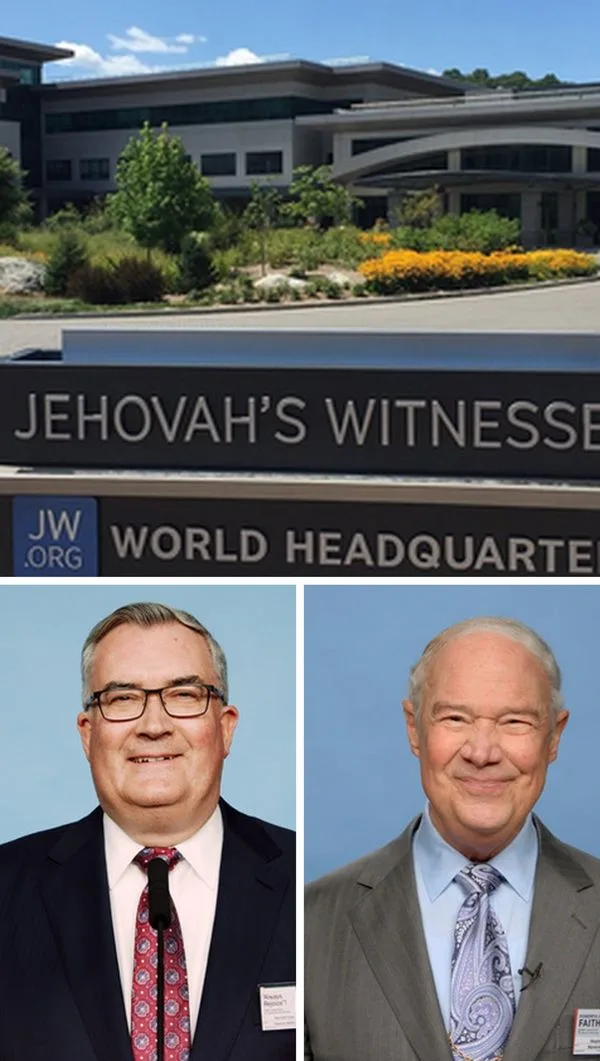 Jehovah’s Witnesses: Kenneth Cook, Jr., member of the Governing Body of Jehovah’s Witnesses, and Stephen Lett, member of the Governing Body of Jehovah’s Witnesses, with World Headquarters of Jehovah’s Witnesses in Warwick, New York.
19. L'Arche International. L'Arche International: Laura Giddings, M.Div., National Leader and Executive Director of L’Arche USA, and Maureen Costello-Shea, Board President of L’Arche USA. Federation of intentional communities founded in 1964 in which non-disabled assistants live alongside intellectually disabled core members in shared households. Assistants live full-time in community, perform caregiving labor for stipends substantially below market wages, surrender personal autonomy to the household rule, and frame the work as spiritual vocation. The federation operates communities in Washington, Massachusetts, Iowa, and elsewhere in the United States. https://www.larcheusa.org
 L’Arche International: Laura Giddings, M.Div., National Leader and Executive Director of L’Arche USA, and Maureen Costello-Shea, Board President of L’Arche USA, with a L’Arche Seattle community home.
20. Latter-day Saints. Dallin H. Oaks (President of the Church). Henry B. Eyring (First Counselor in the First Presidency). The Church operates a missionary program of approximately 75,000 full-time missionaries on 18-to-24-month assignments, self-funded at roughly $500 per month, performing 60-to-70-hour weeks of unpaid evangelistic labor under mission presidents who control daily schedules, communication, movement, and housing. Tithing is a condition of temple access. Disciplinary councils up to excommunication address sexual and doctrinal matters in closed proceedings. https://www.churchofjesuschrist.org
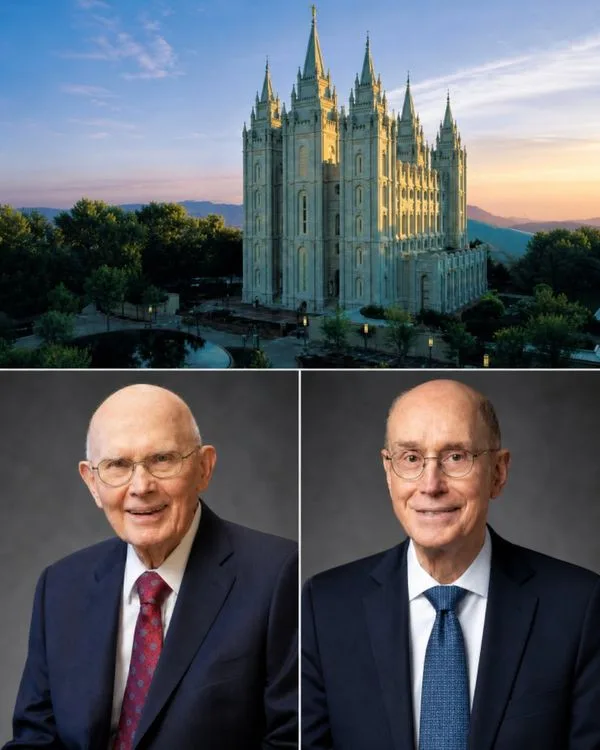 Latter-day Saints: Dallin H. Oaks, President of The Church of Jesus Christ of Latter-day Saints, and Henry B. Eyring, First Counselor in the First Presidency, with the historic Salt Lake Temple in Salt Lake City, Utah.
21. Legionaries of Christ. John Connor (General Director, since 2020). Bowen Aguilar Consecrated women made lifelong-style promises of poverty, chastity, and obedience, and leaving was presented as spiritual betrayal. https://www.legionaries.org
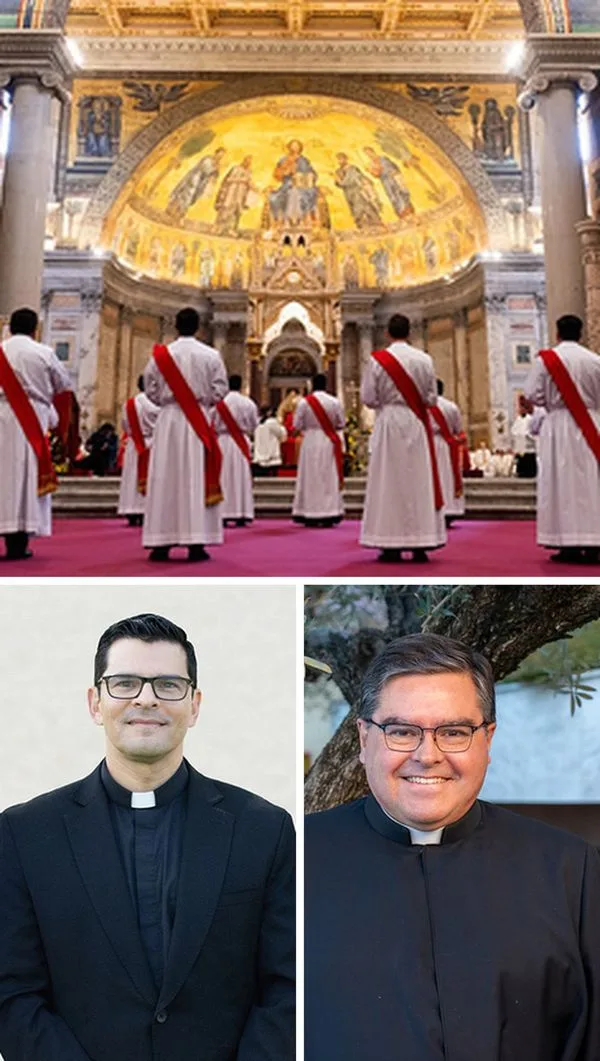 Legionaries of Christ: Carlos Alberto Gutiérrez López, General Director, and Hernán Jiménez, Vicar General, with the General House of the Legionaries of Christ in Rome, Italy.
22. Mary Kay. Ryan Rogers (CEO). David Holl (Chairman). Family-controlled cosmetics MLM with hundreds of thousands of independent beauty consultants in the United States. Capital investment, upline mentorship and supervision, ideologically framed sales conferences, and social-and-economic cost on departure. https://www.marykay.com
 Mary Kay: Ryan Rogers, Chief Executive Officer of Mary Kay Inc., and David Holl, Chairman of Mary Kay Inc., with Mary Kay Global Headquarters in Addison, Texas.
23. Mercy Ships. Christian humanitarian organization operating hospital ships staffed almost entirely by volunteers who self-fund their participation, live aboard the vessel under the captain's authority for tours of months to years, and frame the medical and missionary work as a calling. https://www.mercyships.org
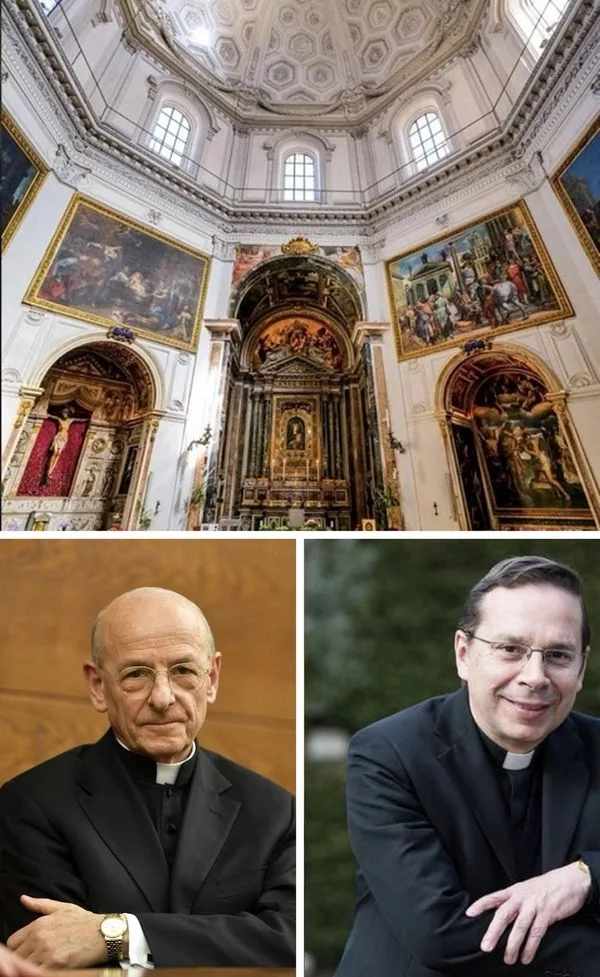
24. Opus Dei. Fernando Ocáriz Braña (Prelate, since 2017). Mariano Fazio (Auxiliary Vicar General). Catholic personal prelature with substantial U.S. operations. Numerary members surrender salaries to the prelature, live in single-sex centers under spiritual direction, and observe corporal mortification and lifelong celibacy as conditions of consecration. Numerary assistants perform domestic labor in Opus Dei centers. https://www.opusdei.org
25. Order of Malta / Sovereign Military Order of Malta. Catholic lay religious order with U.S. presence; members take vows ranging from obedience and chastity (for the highest rank, the Professed Knights of Justice) to lifestyle commitments (for the lower ranks). Members perform full-time charitable work at their own expense and observe order discipline. https://www.orderofmalta.int
26. Primerica. Glenn Williams (CEO). Peter W. Schneider (President, since 2015). Publicly traded financial-services MLM with a U.S. agent base of approximately 150,000 representatives. Same structural elements applied to insurance and investment-product sales. https://www.primerica.com
 Primerica: Glenn J. Williams, Chief Executive Officer of Primerica, and D. Richard Williams, Chairman of the Board of Primerica, with Primerica headquarters in Duluth, Georgia.
27. Professional and educational pipelines. The doctrine reaches further than religion. Elite performance academies — ballet companies, Olympic-pipeline gymnastics, competitive cheer, figure skating — minors and young adults living on site under total control of diet, sleep, and outside relationships; years of unpaid or token-stipend labor; career destruction for departure. The federal service academies impose materially the same conditions on adult cadets and midshipmen, including sleep restriction, dietary control, family isolation, and sub-market compensation tied to a multi-year service obligation. Doctoral programs and medical residencies do the same to graduate students whose visa status, professional credentials, and accumulated years of training depend on advisors who hold near-total control over their futures.
28. Regnum Christi. Nancy Nohrden (General Director of the Consecrated Women, since 2018; re-elected February 2026). Father John Connor, LC (General Director of the Regnum Christi Federation). Catholic ecclesial movement with substantial U.S. operations including schools, retreat centers, and youth ministries. The Consecrated Women branch comprises laywomen under private vows of poverty, chastity, and obedience, living in community, surrendering income to the branch, and assigned to apostolic work by superiors. Recruitment begins in late adolescence. https://regnumchristi.org
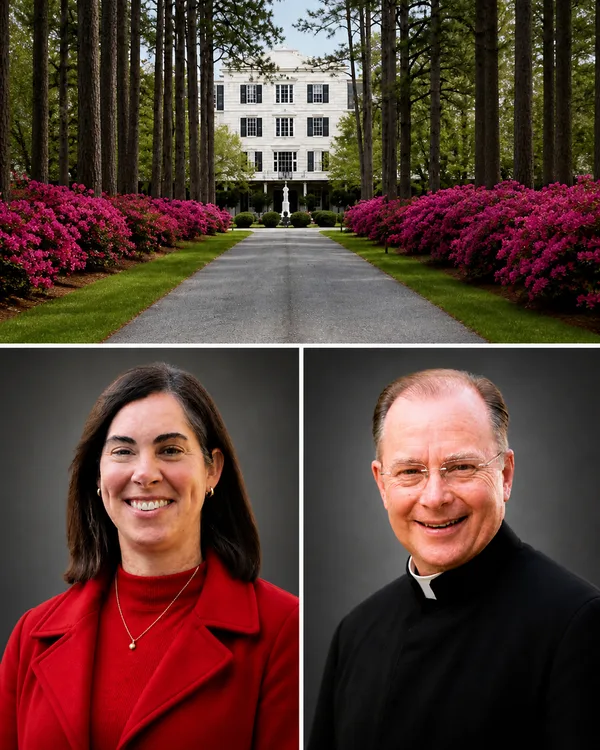 Regnum Christi: Nancy Nohrden, Directress General of the Consecrated Women of Regnum Christi (since 2018; re-elected February 2026), and Father John Connor, LC, General Director of the Regnum Christi Federation, Regnum Christi, Louisiana chapter.
29. Salvation Army. Founded as a quasi-military Christian denomination, with officers (clergy) who take lifelong commitments, are assigned by the organization, surrender substantial personal autonomy in exchange for housing and stipends well below market wages, and observe the Salvation Army's Soldier's Covenant (formerly Articles of War) as conditions of membership. The Adult Rehabilitation Centers operate residential programs in which beneficiaries perform full-time labor at thrift stores in exchange for room, board, and counseling — a model that federal litigation have already characterized as forced labor. https://www.salvationarmyusa.org
30. Satmar (Aaronite faction). Aaron Teitelbaum (Grand Rebbe, Kiryas Joel). Mendel Teitelbaum (Chief Rabbi, Satmar Williamsburg-Aaronite). One of the largest Hasidic dynasties in the United States, with concentrated populations in Kiryas Joel, NY and Williamsburg, Brooklyn. Community life centers on full-time yeshiva and kollel study supported communally; arranged marriages with strong social pressure against refusal; rabbinic courts (batei din) governing divorce and family matters; sex-segregated schooling with restricted secular education; and shunning of those who depart, carrying loss of housing, employment, custody, and family contact.
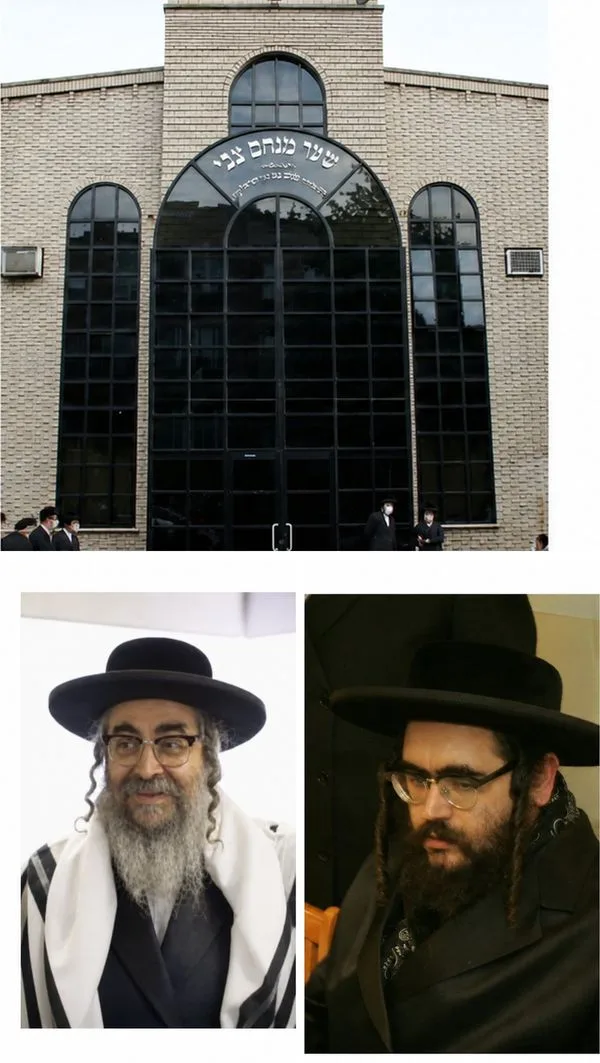 Satmar (Aaronite faction): Aaron Teitelbaum, Grand Rebbe of Kiryas Joel, and Mendel Teitelbaum, Chief Rabbi of the Satmar Williamsburg Aaronite, with Yetev Lev D’Satmar Synagogue in Brooklyn, NY.
31. Satmar (Zalmanite faction). Zalman Leib Teitelbaum (Grand Rebbe, Williamsburg). David Niederman (President and Executive Director, United Jewish Organizations of Williamsburg). Same community structure as the Aaronite faction.
32. Self-Realization Fellowship. Brother Chidananda (President, since 2017). Brother Vishwananda (Vice President and Treasurer). Hindu monastic and lay organization founded by Paramahansa Yogananda in 1920, headquartered in Los Angeles, with retreat centers and meditation groups across the United States. Monastic members take lifelong vows of simplicity, chastity, obedience, and loyalty; surrender personal income to the order; live in single-sex ashrams under the direction of superiors; and observe a daily horarium of meditation, study, and assigned service. Lay members observe Kriya Yoga discipleship under guru-disciple commitments. https://www.yogananda.org
 Self-Realization Fellowship: Brother Chidananda, President of Self-Realization Fellowship, and Brother Satyananda, Vice President of Self-Realization Fellowship, with the Self-Realization Fellowship Lake Shrine in Pacific Palisades, California.
33. Seventh-day Adventists. Erton Köhler (President of the General Conference, elected 2025). Richard E. McEdward (Executive Secretary, elected 2025). Worldwide Christian denomination with substantial U.S. operations including hospitals, schools, and publishing houses. Volunteer labor through ADRA, Maranatha Volunteers, and the colporteur literature-evangelism program is extensive.Sabbath observance is required of members in good standing. Disfellowshipping is the standard discipline for serious doctrinal or moral departure. https://www.adventist.org
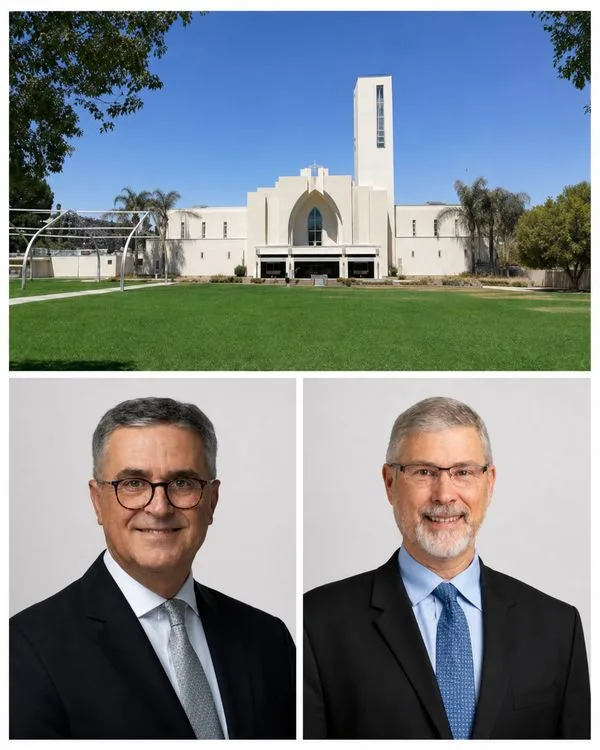 Seventh-day Adventists: Erton Köhler, President of the General Conference, and Richard E. McEdward, Executive Secretary, with the Loma Linda University Church in Loma Linda, California.
34. Shambhala. Faradee Rudy and Tara Templin, Co-Executive Directors of Shambhala Global Services. Shambhala International is one of the largest Tibetan Buddhist organizations in the West, with U.S. centers in dozens of cities. Practitioners observe daily meditation discipline under teacher direction, take refuge and bodhisattva vows, and contribute labor and tuition to centers. The Sakyong lineage operates under traditional total-obedience guru-disciple relationships. https://shambhala.org
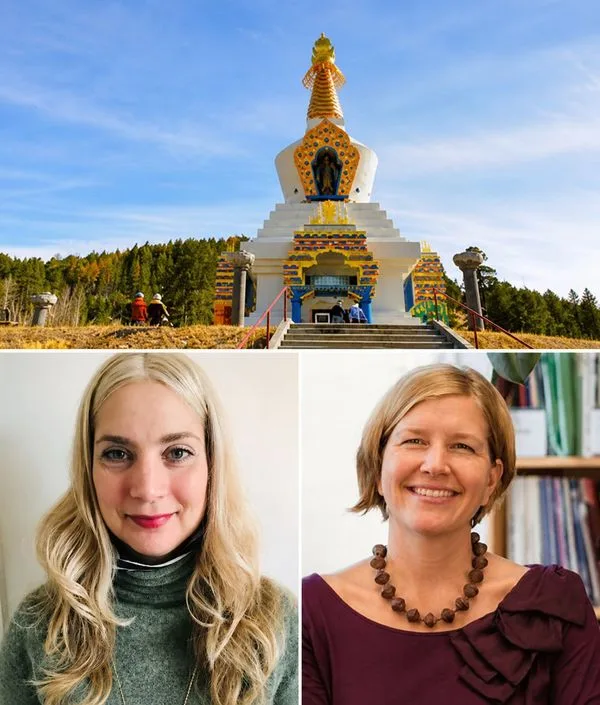 Shambhala: Faradee Rudy and Tara Templin, Co-Executive Directors of Shambhala Global Services, with the Great Stupa of Dharmakaya at Drala Mountain Center in Colorado.
35. Siddha Yoga. Gurumayi Chidvilasananda (sole head since 1985). Hindu meditation lineage with U.S. ashrams in South Fallsburg, NY and Oakland, CA, and meditation centers globally. Devotees observe guru-disciple relationships of full obedience, perform unpaid seva at ashrams sometimes for years, and contribute substantial financial offerings. https://www.siddhayoga.org
36. Sisters of Life. Catholic contemplative-active religious community founded in 1991 by Cardinal John O'Connor, headquartered in New York. Sisters take traditional vows plus a fourth vow to protect human life, live in community, surrender personal income, perform full-time apostolic work without compensation, and observe a daily horarium of prayer and assigned service. https://sistersoflife.org
37. Sivananda Yoga Vedanta. Swami Sivadasananda (senior teacher). Swami Kailasananda (senior teacher). International Hindu organization with U.S. ashrams and yoga teacher training centers. Resident staff observe vows, surrender income to the organization, perform unpaid karma yoga as spiritual discipline, and live under the daily direction of senior teachers. https://www.sivananda.org
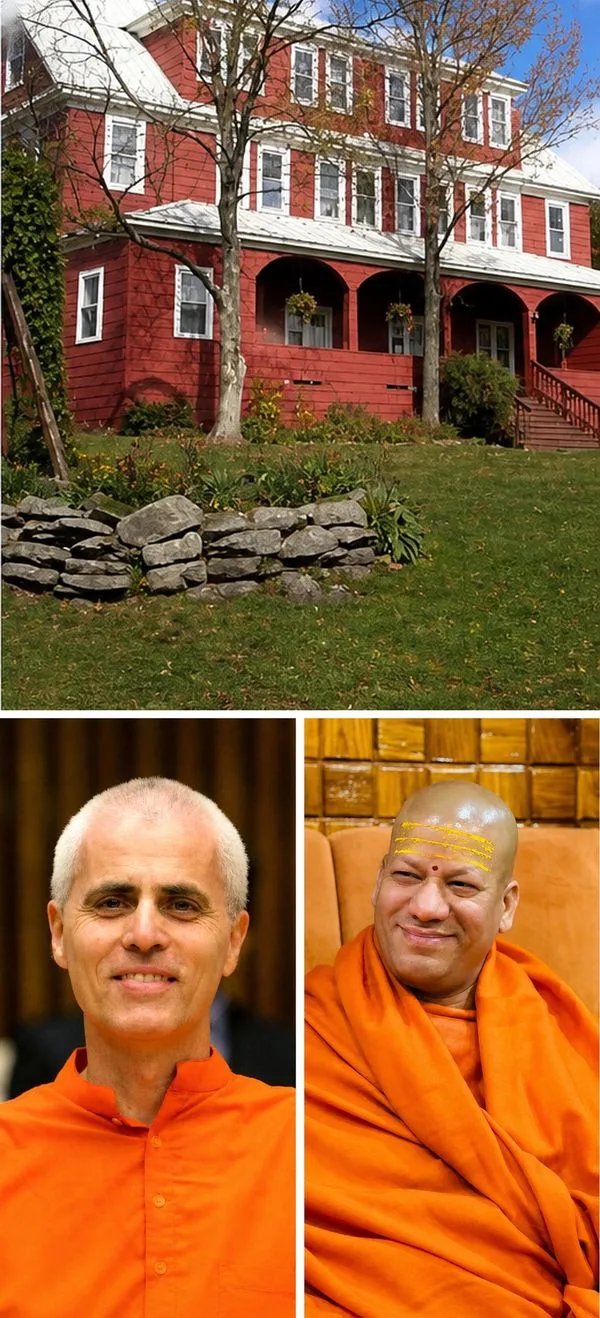 Sivananda Yoga Vedanta: Swami Sivadasananda, senior teacher and executive board member of the Sivananda Yoga Vedanta Centres, and Swami Kailasananda, senior teacher and executive board member of the Sivananda Yoga Vedanta Centres, with the Sivananda Ashram Yoga Ranch in New York.
38. Source School of Tantra. Charles Muir (founder). Leah Alchin Piper (co-teacher). https://www.sourcetantra.com
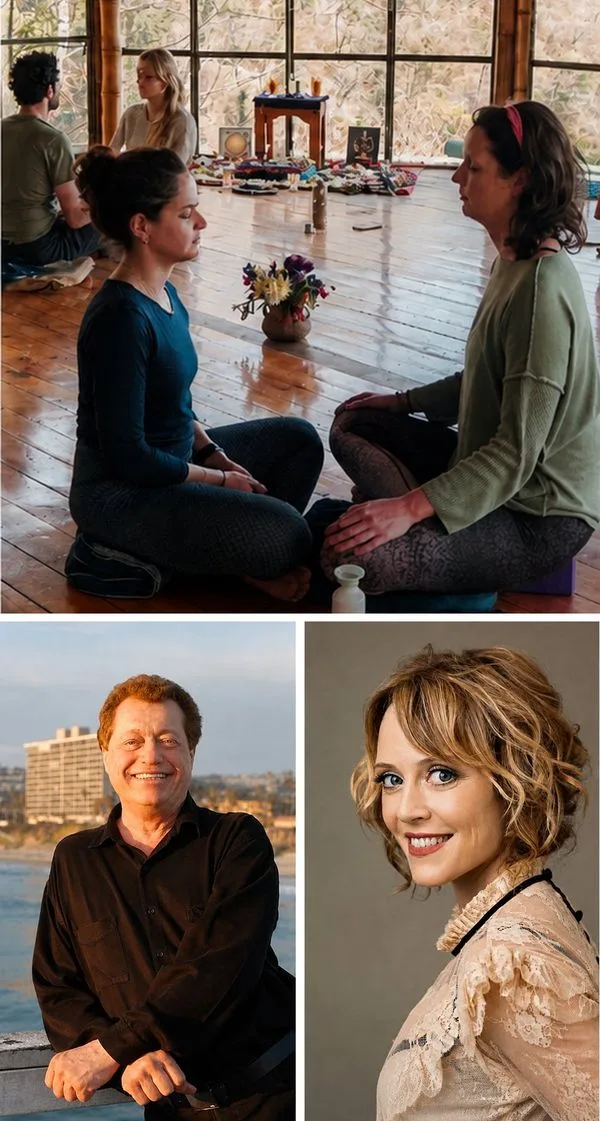 Source School of Tantra: Charles Muir, founder and lead teacher of the Source School of Tantra Yoga, and Leah Alchin Piper, primary co-teacher of the Source School of Tantra Yoga, with a workshop venue used by the organization in Santa Cruz, California.
39. Skver. David Twersky (Skverer Rebbe, since 1968). Aaron Menachem Mendel Twersky (eldest son, informal community representative). Hasidic dynasty centered in the village of New Square, NY, which operates as a self-governing Hasidic enclave. Intensified by geographic concentration.
40. Tony Robbins enterprises (Platinum Partnership). Tony Robbins (founder). Sage Robbins (organizational partner). The Platinum Partnership is the highest-tier program in Robbins's coaching enterprise, with members paying substantial annual fees to attend multi-day immersive events including Date with Destiny, Business Mastery, and Life and Wealth Mastery. Participants undergo extended sessions involving sleep restriction, ideological framing of personal transformation, fire-walking and other physical practices presented as breakthroughs, and accept a high-commitment relationship to the methodology and the founder. https://www.tonyrobbins.com
41. Trappists / Order of Cistercians of the Strict Observance. Catholic monastic order with U.S. abbeys including Gethsemani (Kentucky), New Melleray (Iowa), Mepkin (South Carolina), and Holy Spirit (Georgia). Monks observe lifelong vows of poverty, chastity, obedience, and stability; live in silence; surrender all personal property; perform unpaid manual labor producing the abbey's commercial products (caskets (New Melleray), bourbon fruitcake and fudge (Gethsemani)); rise for night office; and accept assignment by the abbot. https://www.ocso.org
42. United Pentecostal Church International. David K. Bernard (General Superintendent). Largest Oneness Pentecostal denomination, with substantial U.S. presence. Members observe strict holiness standards governing dress, hair, jewelry, and entertainment as conditions of fellowship. Tithing is required. Departure carries social and familial cost. https://www.upci.org
43. The University - The doctrine reaches the elite university more comprehensively than it reached OneTaste. Recruitment of the vulnerable, debt-financed enrollment, communal residence under institutional supervision, ideological commitment as a condition of standing, collection of personal information, isolation from outside relationships, unpaid or underpaid labor by graduate students and teaching fellows, sexual environments documented across decades of Title IX litigation, disciplinary processes that operate outside ordinary due-process protections, career destruction for departure — are present at Harvard, at Yale, at Stanford, at Princeton, at every elite American research university. They are present more comprehensively than they were present at OneTaste. They are present in writing, in the institution's own published policies, available to any prosecutor who cares to read them.
44. World Mission Society Church of God. Kim Joo-cheol (General Pastor). Zahng Gil-jah (the "God the Mother" figure, spiritual head). South Korea-based millennialist church with substantial U.S. growth, particularly on college and university campuses. Members observe heavy tithing, surrender substantial time to evangelization and community-building activities, and accept a daily life shaped by the church's distinctive doctrines including Sabbath observance and dietary regulation. Departure carries social and familial cost. https://english.watv.org
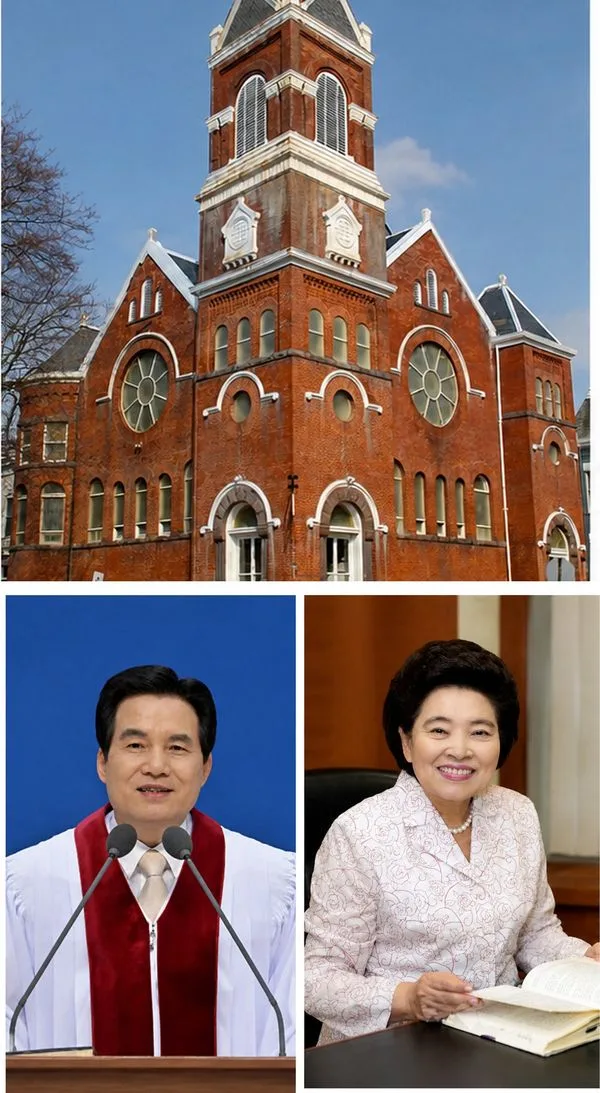 World Mission Society Church of God: Kim Joo-cheol, General Pastor, and Zahng Gil-jah, the “God the Mother” figure and spiritual head of the World Mission Society Church of God, with World Mission Society Church of God Capitol Hill.
45. Wycliffe Bible Translators / SIL International. Evangelical missionary organization specializing in linguistic work and Bible translation, with approximately 4,000 self-funded workers globally. Participants raise their own support, are deployed to remote field locations for years, observe organizational governance over personal life and family decisions, and frame the work as a calling. https://www.wycliffe.org
46. YWAM (Youth With A Mission). Evangelical missionary organization with bases in over 1,200 locations worldwide, including dozens in the United States. Participants in the Discipleship Training Schools self-fund their participation, perform full-time evangelistic and humanitarian labor for stipends below market or no pay, observe community-life rules set by base leadership, and frame the work as a calling. https://www.ywam.org



They deserve every second they serve in prison.