Sandusky Granted September 8 Hearing for New Trial
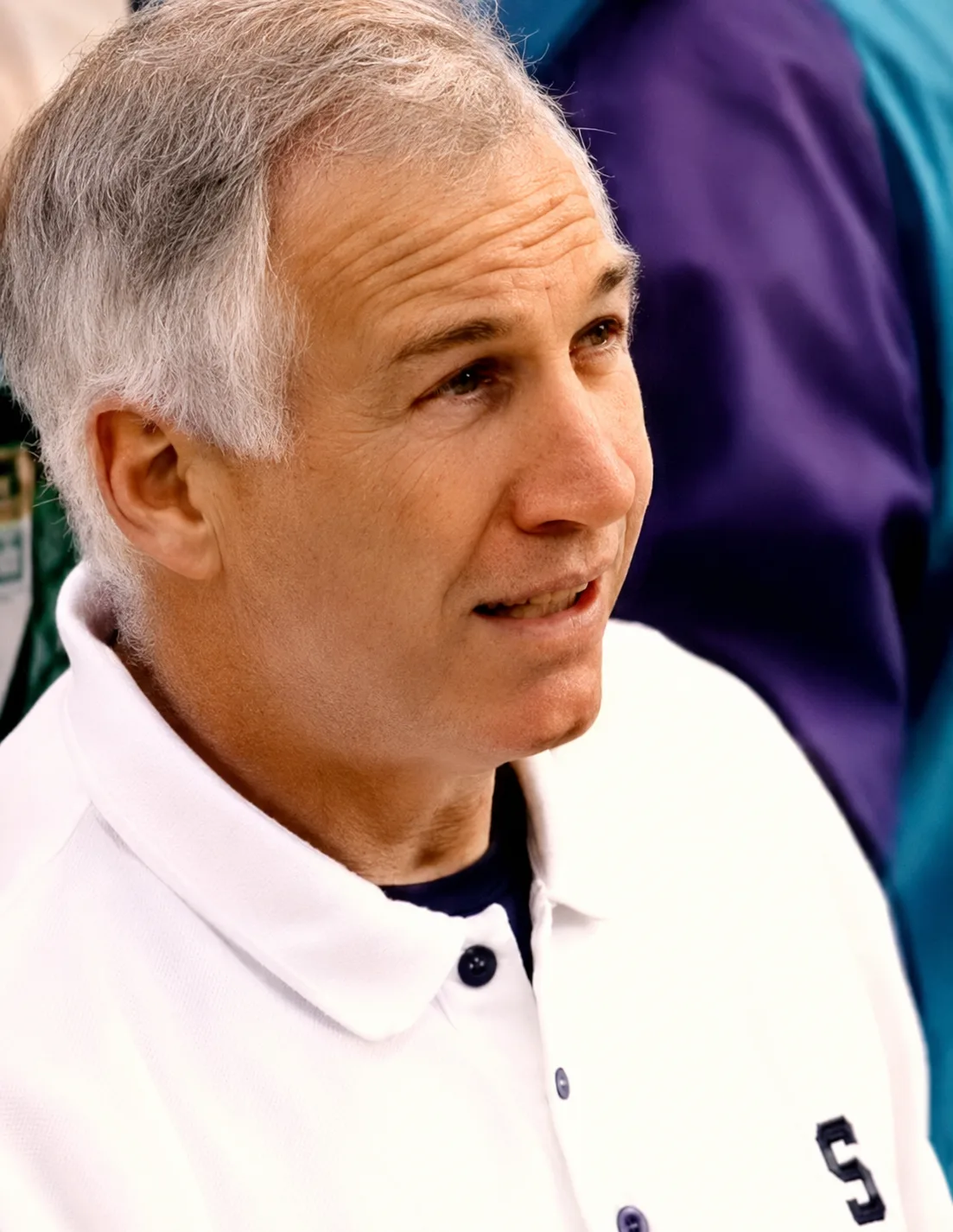
Judge Skerda withdraws her dismissal; "Victim 10" Ryan Rittmeyer, who now says his testimony was false, will take the stand
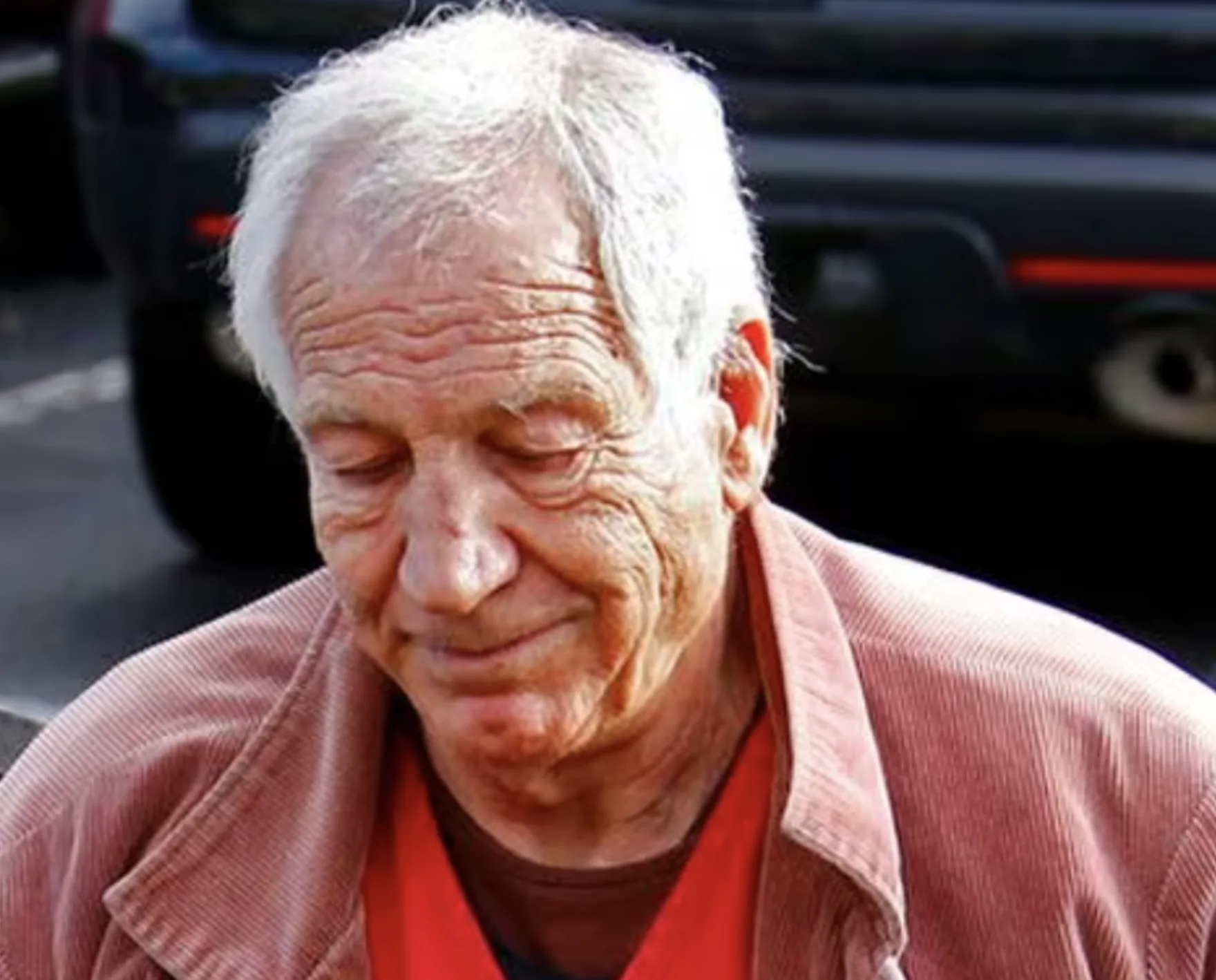
BELLEFONTE, Pa. — Fourteen years after his conviction, Jerry Sandusky will get a hearing.
In an order dated June 3, Senior Judge Maureen A. Skerda set an evidentiary hearing for September 8, 2026, at 9:30 a.m. in the Annex Courtroom of the Centre County Courthouse.
A separate order directs officials at SCI–Laurel Highlands to bring Sandusky, 82, to court for the hearing.
On February 27, 2026, Judge Skerda dismissed Sandusky's post-conviction petition without a hearing. Pennsylvania procedure requires a Rule 907 notice before such a dismissal, giving the petitioner 20 days to respond.
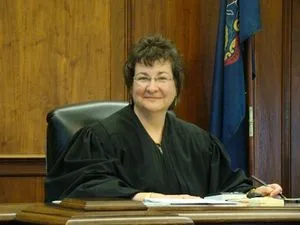
Skerda acknowledged that requirement in her opinion. She then dismissed the petition anyway.
She later withdrew her ruling. The dismissal has been rescinded, and testimony will be heard.
The hearing is not a full reconsideration of the conviction.
Judge Skerda agreed to hear evidence relating to the recantation of an alleged victim.
She declined to hear evidence relating to the prosecutors' own potential criminal conduct including actions related to their own financial interests.
Prosecutor Frank Fina took control of an alleged Sandusky victim’s $12 million trust fund and paid himself from the fund.
At the center of the evidentiary hearing is Ryan Rittmeyer, a man who once helped convict Jerry Sandusky.
In 2012, jurors knew him as "Victim 10." His testimony became part of the case that sent Sandusky to prison.
Today, Rittmeyer says that the testimony was false.
His recantation strikes at the foundation of the prosecution's theory. Much of the case against Sandusky relied on accusers who first denied abuse and later described it — accounts that critics, including memory scientist Elizabeth Loftus, have argued were the product of discredited recovered-memory techniques.
In his 2025 sworn affidavit, Rittmeyer swears that investigators "repeatedly encouraged me to believe that Mr. Sandusky had molested me — despite my lack of clear or certain memory of any such conduct," and that his trial testimony was shaped by "leading questions, intense investigative pressure, and psychological manipulation" rather than genuine recollection.
The hearing will not focus solely on Rittmeyer's testimony.
His wife, Jasmine Rittmeyer, has filed a corroborating affidavit.
She swears that Ryan disclosed childhood abuse by a relative years earlier but never mentioned Sandusky — and that when she asked him directly, after the 2011 arrest, whether Sandusky had done anything inappropriate, he answered: "No, never. He's the most wonderful person I've ever met."
His allegations grew "significantly more severe and detailed," she states, only after his meetings with the prosecution.
The couple is now divorcing. She says she came forward to "help right a terrible wrong."
Investigative journalist Frank Parlato, who developed the newly discovered evidence on which the petition rests, is also among those expected to testify.
The fourth expected witness is Frank Fina, one of the two prosecutors who secured Sandusky's conviction in 2012.
He later became one of three members of the committee controlling a multimillion-dollar trust fund established for the alleged victim, Sabastian Paden, who received the largest settlement.
The hearing is not formally about Fina’s potentially criminal role in managing that trust fund.
Sandusky, who was convicted in 2012 on 45 of 48 counts and sentenced to 30 to 60 years in prison, has consistently maintained his innocence.
For the first time in the case's post-conviction history, a Pennsylvania court will be required to put a recanting witness under oath and hear the witness.
On September 8, the long season of looking away comes to an end. The judge will take the bench. And this time, she will have to look at what may be the greatest travesty of justice since Salem.


There is no witness whose sworn testimony can be better believed than one testifying that they were lying when they previously testified under oath: "I SWEAR I was lying when I swore I was telling the truth."
What payment plan is Rittmeyer on to make restitution for the million$ he swears that he illicitly gained by lying?