Raniere’s Failed New-Trial Bid Revisited Amid FBI Evidence-Handling Claims
A review of the NXIVM founder’s 2022 motion traces DOS, the Camila photo evidence and court rulings that upheld his conviction.

AN OLD POST NEVER PUBLISHED
I have been going through my old drafts and publishing pieces I wrote but never published.
I wrote this one in 2022, when Keith Raniere's lawyers were preparing a motion for a new trial. I have added a few clarifications and what the courts have done since.

WHAT DOS WAS
I broke the DOS story.
DOS was a secret society of women inside NXIVM that Keith Raniere created around 2015. The name stood for "Dominus Obsequious Sororium," roughly "master over the slave women."
How it worked: Female "masters" recruited women as their "slaves." Raniere sat at the top as the only man.
Collateral: To join, women had to hand over "collateral," such as nude photos and damaging confessions about themselves or their families. Their masters could release it if they left or disobeyed.
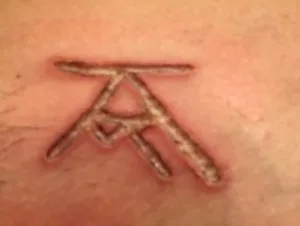
The brand: Many were branded near the pelvis with a cauterizing pen. The symbol contained Raniere's initials.
Sex: Their masters directed some to have sex with Raniere.
My story on June 5, 2017, was the first public report of the branding. The New York Times followed that October.
I probably would never have written a single story about NXIVM if Keith Raniere hadn't sent Clare Bronfman after me to get prosecutors to indict me. They succeeded.
After that, it was a fight to the death. Either I proved that Raniere was the criminal, or I would be the one who went down. I started writing.
Many of my stories concerned the women Raniere harmed.
I am under no obligation to discover virtue in Keith Raniere before asking whether the government behaved properly in prosecuting him.
Over the years I have seen a great deal of misconduct by prosecutors and FBI agents. They do it because they can. They get away with it.
When the evidence that transformed a prosecution has a history like this, the history itself becomes part of the story.
WHAT THE COURTS DID
Raniere's lawyers filed their motion for a new trial on May 3, 2022. They accused FBI personnel of perjury and evidence tampering.
The defense lost. The Second Circuit affirmed Raniere's conviction in December 2022. Judge Nicholas Garaufis rejected the new-trial motion in April 2024 and stated that he was confident Raniere had abused Camila. The Second Circuit upheld that decision in October 2025.
That does not erase the questions about how the FBI handled the evidence.
Here is the original post.
WHY THIS?
I have published more than 5,000 articles about NXIVM and Keith Raniere.
After his conviction, Raniere approached the reporter who had spent years exposing him. He wanted me to investigate his claim that the FBI had tampered with digital photographs.
I agreed.
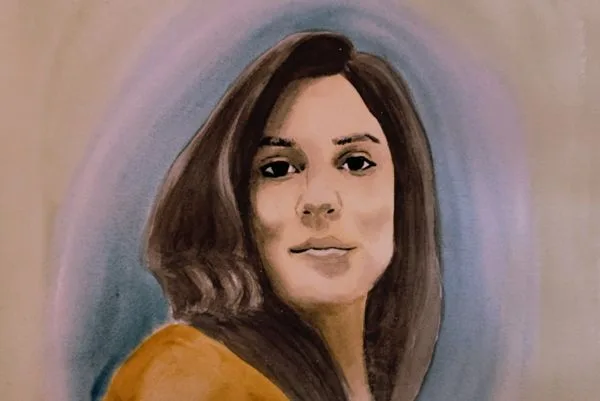
Camila did not testify at trial. She did speak later, at Raniere's sentencing in October 2020. She said he had photographed her when she was 15.
On June 6, 2022, Camila signed a sworn declaration after viewing the photographs at the U.S. Attorney's Office.
She stated, "I am the subject in each photograph, which were taken in 2005 by Keith Raniere."
She said she was certain of the year "because it was the only time he took photographs of me like that."
It is most likely true that the varmint took nude pictures of Camila when she was 15 and he was over 40.
That doesn't mean the FBI handled the evidence honestly, or that the photos got on the hard drive the way the government said.
It is also fair to note that Camila had a financial stake in the case. In July 2021, Judge Garaufis awarded her $507,997.45 in restitution, the largest award to any of Raniere's victims.
It was paid in 2022 out of Clare Bronfman's $6 million fine. A new trial could have put that money in question.

Let's go back and look at the timeline.
March 26, 2018
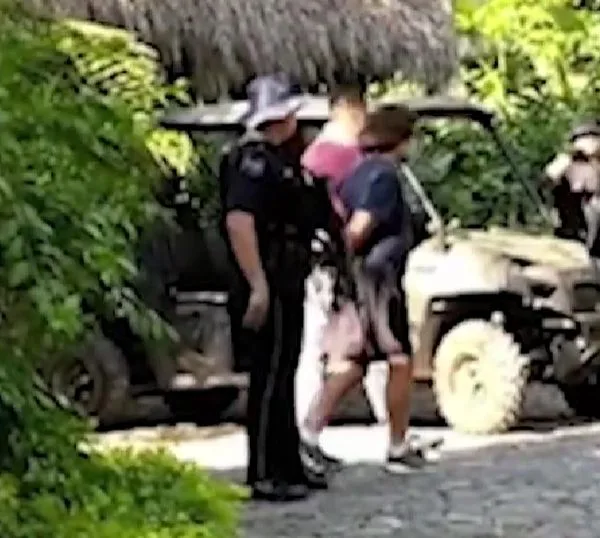
The FBI arrested Raniere. The next day, the FBI searched Raniere's "executive library" at 8 Hale Drive in Halfmoon, New York, and seized 21 electronic devices.

Special Agent Christopher Mills testified that the FBI did not follow its typical search process. Agents did not begin at the entrance, move systematically through the residence, document each room, and identify evidence where they found it.
The agents passed the kitchen. They passed the living room and bathroom. They went directly upstairs to the "office space."
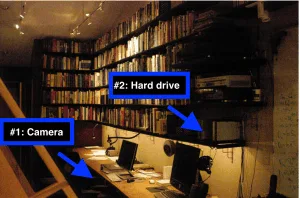
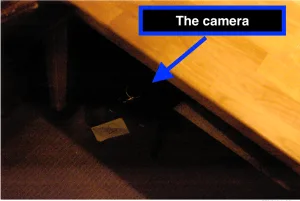
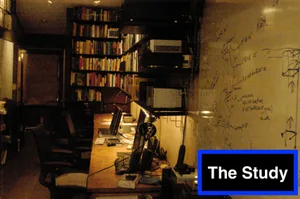
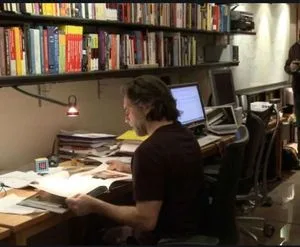
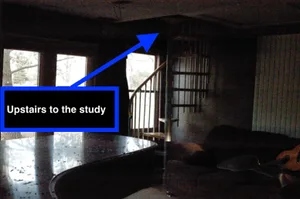
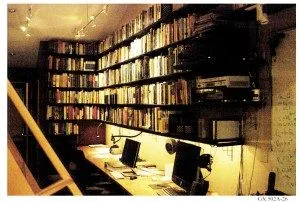
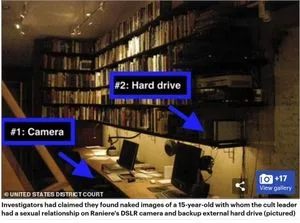
The first item agents seized was a Canon camera, which they found beneath a desk with its camera card inside. Next, they took a Western Digital hard drive from a bookshelf.
Of the 21 seized devices, the government used only two. They were the first two the agents took.
THE CAMERA CARD GOES OUT
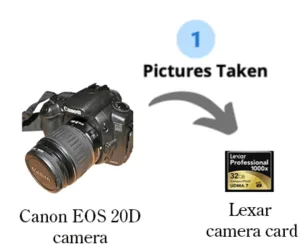
July 10, 2018
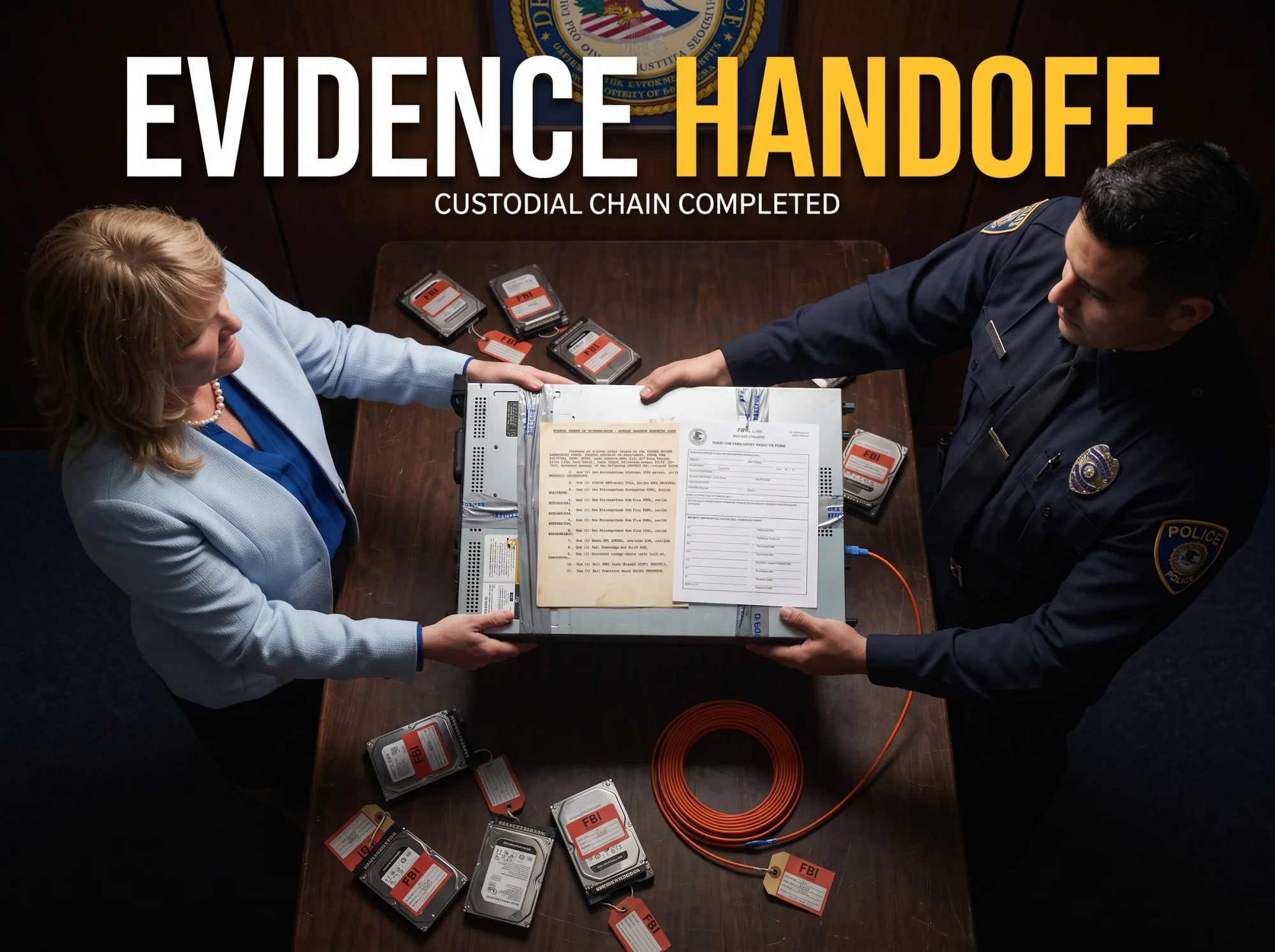
Special Agent Maegan Rees checked the camera and card out of the Evidence Control Unit for "review" and kept them for 17 days. According to the record, FBI rules did not authorize her to review digital evidence before CART, the FBI's Computer Analysis Response Team, examined it.
September 19, 2018
Forensic Examiner Stephen Donnelly conducted an authorized forensic analysis of the hard drive.
On the same day, Special Agent Michael Lever checked out the Canon camera and CF card. CART had not yet examined the card. The forensic record would later show activity on the card that day, including that someone overwrote file-system data.
The camera and card remained outside evidence control for seven days before Lever returned them.
Between them, two agents not authorized to review the card had it out of evidence for 24 days before the FBI's lab copied it.
September 27, 2018
The defense received four photographs from the camera card, images of Angel Smith, an adult whom Raniere had photographed nude. It did not receive a CART FTK report for the card.
October 5, 2018
Six months after the seizure, the defense received a copy of the hard drive.
February 11, 2019
The government represented to the court that the defendants "have everything from 8 Hale." Whatever the government meant by "everything," it did not include a forensic copy of the camera card.
Nothing in the then-pending charges gave the defense an obvious reason to see the camera, card, or hard drive as consequential. The alleged victims in the charged conduct were adults.
Then everything changed.
THE CAMILA PHOTOGRAPHS
February 21, 2019
Lever said he was searching the hard drive. He discovered two digital images of Camila he believed someone had taken when she was under 18.
Prosecutors told defense lawyers they found "at least one image of child pornography" on the hard drive.
The defense returned its copy of the hard drive rather than retain material the government now identified as child pornography.
Only then did Lever deliver the camera card to CART, where Forensic Examiner Stephen Flatley examined it.
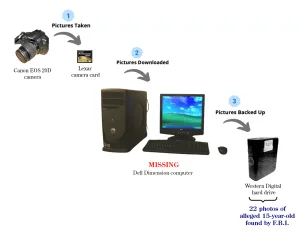
Prosecutors said Raniere took the photos of Camila with the Canon camera, which saved them to the camera card. He then copied them from the card to a computer, and from that computer to the Western Digital hard drive. The FBI never found that computer.
Prosecutors said the photographs originated in November 2005, when Camila was 15. That made it child porn.
In all, the hard drive held 22 images of Camila. Only one or two had her face.
Prosecutors used them to charge Raniere with new crimes: sexual exploitation of a child and possession of child pornography.
The 22 photographs were on the hard drive in a folder called "BACKUPS," inside a subfolder called "Studies."
"Studies" held nude photographs of 12 women who had been intimate with Raniere, including Lauren Salzman and Kathy Russell.
Until then, every alleged victim was an adult, and the defense was that they consented. A 15-year-old cannot consent. Everything now depended on proving the photos were taken in 2005.
THE CODEFENDANTS RUN

March 13, 2019
The government filed a second superseding indictment adding four racketeering acts, including child pornography and two acts of sexual exploitation of a child. Nancy Salzman pleaded guilty the same day.
March 18, 2019
Clare Bronfman moved to sever rather than face a jury beside a man now "charged with sex crimes against a child."
March 22, 2019
Four days later, Lauren Salzman, Allison Mack and Kathy Russell filed their own severance motions.
Lauren Salzman's attorneys put the problem plainly: evidence that Raniere sexually exploited a child, they argued, created "a serious risk" that jurors would no longer reliably judge Salzman's own guilt or innocence.
March 25, 2019
The judge said no. The court would try them together.
Four days after the judge told her she would remain in Raniere's trial, Lauren Salzman pleaded guilty and agreed to cooperate.
April 8, 2019
Allison Mack pleaded guilty.
April 11, 2019
The camera card received its first FTK report.
April 19, 2019
Clare Bronfman and Kathy Russell pleaded guilty.
April 25, 2019
Raniere's lawyers then received the FTK reports for both the "Studies" folder containing Camila's photographs and the camera card.
THE TRIAL
May 7
Trial began.
Two witnesses supplied part of the government's 2005 timeline: Lauren Salzman and Daniela said Raniere had photographed them nude that year.
Prosecutors asked them to describe the camera and the photographs.
Prosecutors asked neither witness to identify the camera or her own photographs.
Daniela testified that Camila's 2007 appendectomy left a visible mark.
Prosecutors did not ask her to identify Camila's photographs. Nor did they ask Lauren. Yet they both knew Camila.
June 12 and 13
The government's chronology would depend on metadata, and prosecutors called Senior Forensic Examiner Brian Booth to explain it.
Camila's photographs sat in folders whose names were dates: "2005-11-02-422-20" and "2005-11-24-0814-46."
Booth testified that the EXIF timestamps roughly matched those folder names.
THE METADATA

The card arrived at the forensic examiner unsealed. Booth told the jury that was not unusual. He said FBI procedure did not always require agents to record when they opened evidence.
That is absurd. Evidence is sealed, and everyone who opens it is logged, so there is proof that nobody tampered with it. An unsealed bag with no record of who opened it is highly improper.
He also told the jury that EXIF data is difficult to alter.
It is not. It was dishonest testimony.
Free software can change the EXIF data - a photo's date, camera model, and serial number in seconds
FBI Special Agent Michael Weniger, who did not personally know Camila, testified that no appendectomy scar was visible in the photographs. That supported a date before 2007.
The forensic evidence supplied the date, and the date supplied the child-sex charge.
In closing argument, prosecutors reminded the jury that the photos' metadata matched the dates in the folder names and that EXIF data is hard to change, which simply was not true.
The jury deliberated for less than four hours. It convicted Raniere on every count.
WHAT CAME OUT AFTER

Suneel Chakravorty, a Raniere supporter, attended every day of trial and spent the next two years and 10 months assembling forensic experts to challenge the government's digital-evidence account.
Near the end of the trial, on June 11, the government disclosed a newer FTK report of the camera card. Only then did the difference become apparent: the newer report included more than 30 images that had not appeared in the earlier one.
Four matches had become more than 30.
The government never alleged that the card itself contained contraband. Yet the government acknowledges it never produced a forensic clone of the card.
The corresponding files on the card and the hard drive appeared identical: same names, modification dates, EXIF dates, camera model, and serial number.
Their digital fingerprints, however, disagreed.
The discrepancy went beyond metadata. According to the defense experts, some corresponding images showed different people.
Frank, we'll do this exactly our usual way: one original paragraph, followed by Orwell, Hemingway, Hitchens and Didion, in that order. Then the next original paragraph. Kafka will make an occasional appearance when he brings something the other four don't.
I'll keep the forensic findings attributed to Kiper, the government's explanations attributed to its expert, and the judicial findings attributed to Judge Garaufis. That distinction is important because this section moves from what the experts found to what you personally believe.
WHAT KIPER FOUND
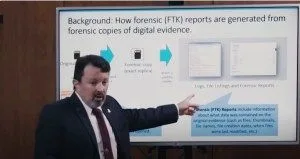
The lead defense expert was Dr. J. Richard Kiper. He spent 20 years as an FBI special agent, working as a case agent, a supervisor, and a computer forensic examiner, and later served as a unit chief at the FBI Academy in Quantico. He went through the government's forensic data.
Kiper found that Lever checked out the card on September 19, 2018.
Someone opened it without a write-blocker.
A write-blocker lets an examiner read evidence without changing it. The FBI calls its use a "critical procedure."
Without one, the computer changed the access dates.
Every active file now showed September 19, 2018.
His finding was limited but consequential:
"At a minimum… file system dates on the CF card were altered… six months after it was collected by the FBI."
The discrepancies were not confined to file-system dates. According to Kiper, some apparently corresponding files on the camera card and hard drive depicted different women.
The defense experts also examined the hard drive. They concluded that the backup folder containing Camila's photographs had "all the hallmarks of fraud." They said its dates and folder names had been "manually altered to look autogenerated."
Kiper's conclusion went beyond identifying irregularities. He said that tampering "definitely took place while the devices… were in the custody of the FBI."
Raniere's lawyers raised the forensic claims in their motion for a new trial. The government opposed it.
WHAT THE GOVERNMENT AND THE JUDGE SAID
The government's expert, FBI senior computer scientist David Loveall II, said the mismatches resulted from deleted photographs that had been partly overwritten, a common problem when recovery software reconstructs files.
Judge Garaufis found Loveall's account "far more plausible and convincing" than the reports submitted by Raniere's experts.
The judge also identified evidence independent of the disputed metadata: text messages concerning Raniere and Camila’s relationship, Daniela's testimony, Camila's medical records of an underage abortion, and a sworn declaration Camila made in 2022.
In November 2023, Judge Garaufis declined to order production of the camera card.
The two forensic questions remained distinct. Loveall disputed the defense's explanation for the mismatched photographs. He did not dispute the unprotected access to the card on September 19, 2018, while it was checked out to Lever.
WILD CIRCUMSTANCES
Before CART made its forensic copy, two agents had checked the card out of evidence control for a combined 24 days.
During the second time, someone accessed it without a write-blocker. Every file access date changed.
The record also showed that the card arrived for forensic examination unsealed and that a second FTK report identified more than 30 photographs that matched the hard drive, compared with four in the earlier report.
The defense never received a forensic clone.
The rules exist because digital evidence can change during examination. A forensic copy and a write-blocker are intended to establish a reliable record of the evidence as it was received.
Here, the card was accessed before CART made its forensic copy, and its file-access dates changed.
The question was whether the evidence had been preserved in a way that allowed the defense to test its integrity.
WHAT I THINK
I think Raniere probably abused Camila and probably took the photographs in 2005 when she was 15.
I also think the FBI may have cheated to get the pictures into evidence. Maybe someone provided them to the FBI.
The FBI seized the camera card and hard drive in March 2018. Nearly a year passed before the photographs became central to the case.
They were hunting for photos, and it seems improbable that they waited a year to inspect the evidence they seized first in their raid of Raniere’s library, a raid that bypassed the usual procedure of starting where they enter and instead going, almost like they knew what they were told to look for, at the farthest access point in the house.
In other words, they rushed to get the hard drive, camera and camera card first, did not inspect it until none of the co defendants pleaded and they faced an all adult array of victims.
Then suddenly they found child porn with curious metadata and an ever-changing and altered camera card.
Raniere's codefendants were preparing for trial beside him. Then the child porn photographs surfaced.
Trial was three months away. Within six weeks, all of Raniere's codefendants had pleaded guilty.
I cannot prove that the FBI withheld the photographs for tactical reasons. Nor can I prove that an agent planted an image or changed metadata.
But neither uncertainty explains the documented handling of the camera card.
WHAT IT MEANS
The Camila charges transformed the legal and emotional setting of the trial. The defense could argue consent when the allegations concerned adults. That argument could not answer the charge that Raniere had sexually exploited a 15-year-old.
His codefendants sought separate trials, lost, and pleaded guilty.
The jury heard the Camila evidence and convicted Raniere on every count. What it would have done without those charges is a question no one can answer.
A new trial would not undo anything I believe he did.
Still, evidence rules exist because the government seizes the evidence, stores it, examines it, and decides what to disclose to the defense, subject to the law and the courts.
That requires safeguards.
A rule that imposes no obligation when obedience becomes inconvenient is not a rule. Rules without consequences invite breaking, something I think the FBI dares more often than the public cares to believe.
The courts rejected Raniere's bid for a new trial. That does not prevent a separate question: The FBI handled the camera card properly.
What accountability followed? None.
Partly because no one cares.
Still, the integrity of evidence should not depend on the defendant's popularity. Or even his innocence.
Keith Raniere is a rascal.
The FBI still should follow the rules.

Newsweek – Keith Raniere Appeal: Evidence of Alleged FBI Tampering
PR Newswire – Tully Law Firm: Raniere Files Motion for New Trial
Frank Report – Part #3 Battle of Experts: Somebody Snuck Into CF Card
Frank Report – Judge Denies Rule 33; 'Confident' Raniere Abused Camila
Frank Report – Judge Denies 'Frivolous' Motion for Camera Card
Frank Report – Raniere's Victims to Be Paid $3.4 Million, Starting With $507,000 for Camila
Frank Report – Who Got What at Restitution Hearing – Cami Awarded $507,000
Frank Report – Raniere Asks Court to Stop Restitution Payments
More MK10ART