Luis Treviño: Batalla de trapos: la guerra sucia prematura en las campañas políticas
La guerra sucia ha existido por mucho tiempo, ahora está sucediendo algo inusual; en el pasado estas estrategias solían aplicarse al final del periodo de la campaña, previo a las elecciones; como una especie de “estocada final”. Ahora está sucediendo desde el principio.
OPINIÓN MTY COLUMNISTA INVITADO LUIS TREVIÑO CHAPA 29/03/2021
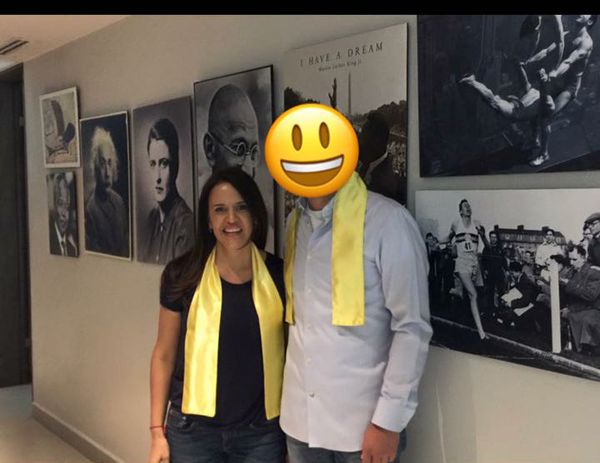
En Nuevo León, como en otras partes de México, las campañas políticas están a todo lo que dan. La semana pasada dos de los candidatos principales para gobernador, se atacaron con todo; Clara Luz, del partido de Morena, atacó a Adrián de la Garza del partido del PRI, alegando no actuar ante un supuesto acto de corrupción de “sus compadres” en el municipio de Mina. Posteriormente Adrián contra atacó, mostrando a los medios un video sobre el involucramiento de Clara Luz con la organización NXIVM y su polémico fundador Kieth Raniere (acusado por tráfico sexual, delincuencia organizada, extorsión y abuso sexual a menores).
En las campañas electorales a estas acciones se les conoce como “guerra sucia”, que en pocas palabras consiste en sacarle los “trapitos al sol” al candidato contrario. Se le llama así pues no tiene mucho que ver con las propuestas de gobierno, sino con los defectos o actos inmorales del opositor.
Si bien, la guerra sucia ha existido por mucho tiempo, ahora está sucediendo algo inusual; en el pasado estas estrategias solían aplicarse al final del periodo de la campaña, previo a las elecciones; como una especie de “estocada final”. Ahora está sucediendo desde el principio.
La razón de porque hacer guerra sucia desde el inicio es desconocida, pero existe un fenómeno que ha cambiado la forma en la que recibimos información y que probablemente, de manera inconsciente, ha provocado que los candidatos se hayan anticipado a lanzar noticias “bomba”. A este fenómeno le llamo “adicción a la novedad”.
Con la apabullante cantidad de información a la que estamos expuestos (según New York Times recibimos cinco mil anuncios diarios), nos hemos vuelto sumamente selectivos. Ya no prestamos atención a cualquier contenido que se nos presente y ya no nos sorprenden tantas cosas. Por lo tanto, hay dos cambios que ahora tenemos como seres humanos: 1. ponemos atención sólo a las noticias que se nos hacen relevantes y 2. una noticia pierde importancia rápidamente y nuestro interés baja de manera casi inmediata.
Si te das cuenta, antes, un suceso terrorista o una masacre (como la de la escuela de Columbine en Estados Unidos) podía estar presente en los medios y en las conversaciones durante meses o años. Ahora, de tanta información que tenemos disponible, nuestra impresión a esos acontecimientos dura días o incluso horas. Es por esto que, aunque de manera involuntaria, ahora buscamos novedades a cada rato.
La adicción a la novedad ha orillado a que, cualquiera que busque hacerse popular en las redes sociales (ya sea alguna marca, algún actor, “influencer”, o político), debe buscar como captar tu atención de manera constante. La atención es el nuevo dios de la comunicación; no es el mensaje, no es la propuesta, es llamar la atención; que los voltees a ver. Todos compiten por ello y es lo más preciado.
Si alguien quiere llamar tu atención, tiene que ingeniárselas para impactarte. Existen varios recursos para lograrlo como, por ejemplo, el uso del hedonismo (mostrar a personas o situaciones de manera sensual, o presumiendo lujos y excesos), el humor (hacer memes) y también, generar polémica y morbo. Este último, ha sido usado desde siempre por tabloides sensacionalistas (como la revista TV y Novelas); pero ahora pareciera que, el uso de la polémica, es adoptado por toda figura pública para generar contenido; para aumentar “views” y “followers”; para lograr ser parte de la conversación de tu día.
Los golpes a los candidatos y las “noticias bomba” funcionan. Generan controversia y morbo. Sin embargo, hay un riesgo de usarlo de manera prematura. Si las campañas apenas inician y los candidatos ya se andan atacando y la gente pierde el interés con facilidad, entonces los equipos de campaña pueden sentirse con la necesidad de sacar más y más trapos del adversario. Entonces, nos llenarán de calumnias, escándalos, confrontaciones y el efecto será que las elecciones se parecerán a un programa de “Laura en América” y a la larga, la gente; los votantes, terminen por hartarse.
La guerra sucia es un recurso efectivo. Pero no debe ser el más importante de la comunicación política, ya que, de ser así, los candidatos se estarán centrando en crear mensajes para convencer por qué “NO votar por el adversario” en lugar de “porque SÍ votar por él o ella”; se crean campañas para generar miedo o enojo y no para crear esperanza, que es lo que necesitamos hoy más que nunca (“hope” diría la campaña de Obama).
En lugar de saturarnos con información que nos asuste, deberían sacar noticias bomba que nos alienten, que nos asombren “para bien”; con alguna propuesta como la de ser el lugar en México con más vacunas contra el covid-19, o el Estado donde se reactivará más rápido la economía después de esta abrumadora crisis. Claro, todavía falta que les creamos, pero ese es otro tema.
Esta es una columna de opinión. Las expresiones aquí vertidas son responsabilidad únicamente de quien la firma y no necesariamente reflejan la postura editorial de El Financiero.
https://www.elfinanciero.com.mx/monterrey/luis-trevino-batalla-de-trapos-la-guerra-sucia-prematura-en-las-campanas-politicastranslation:
Luis Treviño: Battle of the rags: the premature dirty war in political campaigns
Dirty war has existed for a long time, now something unusual is happening; in the past these strategies used to be applied at the end of the campaign period, prior to the elections; as a sort of “final blow”. Now it is happening from the beginning.
OPINION MTY GUEST COLUMNIST LUIS TREVIÑO CHAPA 03/29/2021
In Nuevo Leon, as in other parts of Mexico, political campaigns are in full swing. Last week, two of the main candidates for governor, attacked each other with everything; Clara Luz, of the Morena party, attacked Adrián de la Garza of the PRI party, alleging that he did not act against an alleged act of corruption by “his compadres” in the municipality of Mina. Subsequently, Adrian counter-attacked, showing the media a video of Clara Luz's involvement with the NXIVM organization and its controversial founder Keith Raniere (accused of sex trafficking, organized crime, extortion and sexual abuse of minors).
In electoral campaigns, these actions are known as “dirty war”, which in a few words, consists of “dirty tricks” against the opposing candidate. It is so called because it does not have much to do with government proposals, but with the defects or immoral acts of the opponent.
Although dirty war has existed for a long time, now something unusual is happening; in the past these strategies used to be applied at the end of the campaign period, prior to the elections; as a kind of “final blow”. Now it is happening from the beginning.
The reason for the dirty war from the beginning is unknown, but there is a phenomenon that has changed the way in which we receive information and that probably, in an unconscious way, has caused the candidates to anticipate to launch “bombshell” news. I call this phenomenon “novelty addiction”.
With the overwhelming amount of information we are exposed to (according to the New York Times we receive five thousand ads a day), we have become highly selective. We no longer pay attention to just any content that comes our way and we are no longer surprised by so much. Therefore, there are two changes we now have as human beings: 1. we pay attention only to the news that are relevant to us and 2. a news item loses importance quickly and our interest drops almost immediately.
If you notice, before, a terrorist event or a massacre (such as the Columbine school massacre in the United States) could be present in the media and in conversations for months or years. Now, with so much information available to us, our impression of these events lasts for days or even hours. This is why, albeit involuntarily, we now seek novelty all the time.
The addiction to novelty has led to the fact that anyone seeking to become popular on social networks (be it a brand, an actor, an influencer, or a politician), must constantly seek to capture your attention. Attention is the new god of communication; it's not the message, it's not the proposal, it's getting attention; it's getting you to look at them. Everyone competes for it and it is the most precious thing.
If someone wants to get your attention, they have to manage to make an impact on you. There are several resources to achieve this, such as, for example, the use of hedonism (showing people or situations in a sensual way, or showing off luxuries and excesses), humor (making memes) and also, generating controversy and morbidity. The latter has always been used by sensationalist tabloids (such as TV y Novelas magazine); but now it seems that the use of controversy is adopted by all public figures to generate content; to increase “views” and “followers”; to be part of the conversation of the day.
Candidate bashing and “news bombs” work. They generate controversy and morbidity. However, there is a risk of using it prematurely. If campaigns are just getting started and candidates are already attacking each other and people lose interest easily, then campaign teams may feel the need to dig up more and more dirt on the opponent. Then, they will fill us with slander, scandals, confrontations and the effect will be that the elections will resemble a “Laura in America” program and in the long run, the people; the voters, will end up getting fed up.
Dirty war is an effective resource. But it should not be the most important of political communication, because, if so, candidates will be focusing on creating messages to convince why “NOT to vote for the opponent” instead of “why YES to vote for him or her”; campaigns are created to generate fear or anger and not to create hope, which is what we need today more than ever (“hope” as Obama's campaign would say).
Instead of saturating us with information that scares us, they should release news bombs that encourage us, that amaze us “for the better”; with some proposal such as being the place in Mexico with more vaccines against covid-19, or the State where the economy will be reactivated faster after this overwhelming crisis. Of course, we still need to believe them, but that is another topic.
This is an opinion column. The expressions expressed herein are the sole responsibility of the author and do not necessarily reflect the editorial position of the company.

 Clara Luz Flores a Nxivm coach is running for governor in