Tensions Rise in Court as Judge Hellerstein Repeatedly Interrupts Jose Baez’s Cross-Examination
The courtroom grew tense during last Thursday’s cross-examination in the trial of Charlie Javice, as defense attorney Jose Baez repeatedly clashed with Judge Alvin K. Hellerstein over questioning techniques. The judge’s frequent interruptions, insistence on brevity, and direct questioning of the witness raised concerns about the defense’s ability to fully develop its arguments.
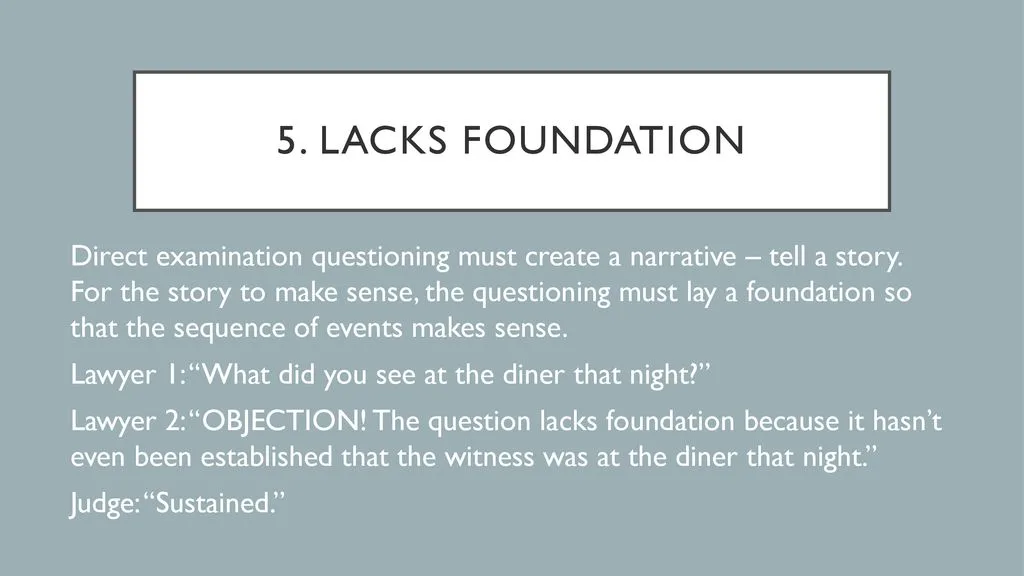
During the cross-examination of JPMorgan executive Wims Morris, Baez sought to establish a foundation for his line of questioning—an essential step in courtroom proceedings that allows attorneys to introduce evidence, clarify testimony, and provide necessary context. However, Judge Hellerstein repeatedly cut him off, urging him to “just go to the question” and at times posing his own inquiries to the witness.
In one instance, when Baez attempted to introduce a document related to the risks and proposed mitigation of changes in Free Application for Federal Student Aid (FAFSA) applications, the judge interjected before the attorney could lay a foundation. “Where are we going with this?” Hellerstein asked, dismissing the issue as just another risk in a business deal. Despite Baez’s efforts to connect the document to the defense’s argument, the judge’s intervention ultimately curtailed the discussion.
 The Legal Importance of Laying a Foundation
Building a foundation for a question is a crucial aspect of legal proceedings, particularly in cross-examination. Before an attorney can introduce evidence or solicit testimony on a specific topic, they must first establish its relevance and confirm the witness’s familiarity with it. This process helps ensure that responses are credible, contextually grounded, and admissible in court.
By preventing Baez from methodically setting up his questions, Judge Hellerstein limited the defense’s ability to present its case in full. Legal experts note that restricting foundational questioning can unfairly disadvantage a party, particularly in a trial where credibility and complex financial details are at the heart of the dispute.
“The ability to build context is fundamental to cross-examination,” said a former federal prosecutor who reviewed the trial transcript. “If an attorney isn’t allowed to establish how a witness came to know something or why a document is relevant, it weakens the jury’s ability to fully grasp the significance of the evidence.”
Judicial Intervention and Potential Impact on the Defense
Beyond merely cutting off foundational questioning, Hellerstein at times took on the role of an interrogator himself. Rather than allowing Baez to probe the witness on the document’s significance, the judge directly asked, “You saw the document in the course of your work on the Frank deal, right?” before swiftly ruling it admissible. While this may have expedited the process, it also circumvented Baez’s opportunity to shape the narrative for the jury.
These interruptions culminated in a particularly charged moment when Baez, attempting to introduce a financial valuation model, was cut off with an abrupt ruling from Hellerstein that the subject was “irrelevant” before the attorney could explain its significance.
Defense attorneys frequently face judicial pushback, but when it becomes persistent, it raises questions about whether the defendant is receiving a fair trial. Baez, a seasoned litigator known for his high-profile cases, has yet to formally challenge the judge’s handling of the cross-examination. However, courtroom observers suggest that continued restrictions could lay the groundwork for an appeal if Javice is convicted.
As the trial continues, the defense will need to navigate these judicial roadblocks while ensuring the jury hears its full case. Whether Judge Hellerstein’s management of the proceedings will become an issue for future appellate review remains to be seen.



In the words of Frank’s people “opa”!!!